
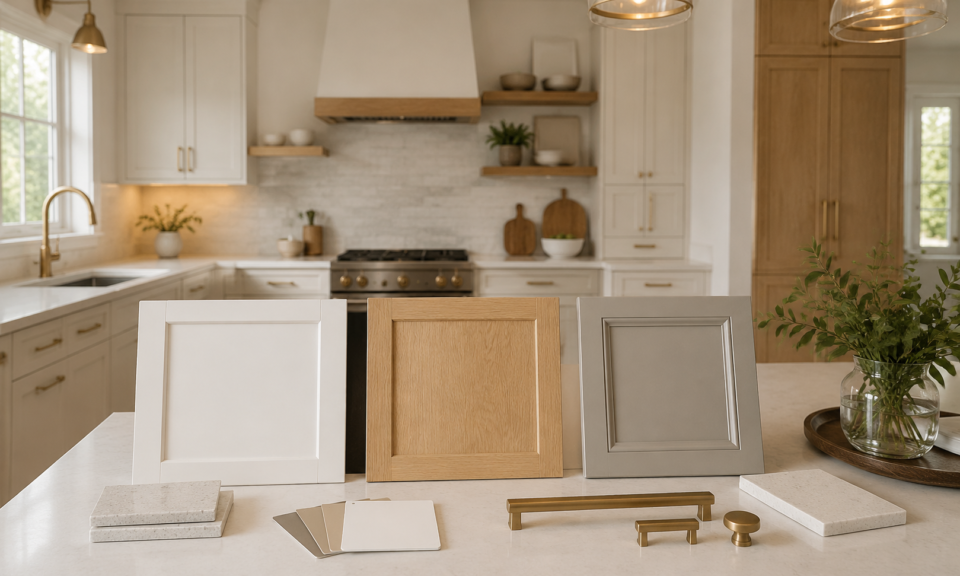
Planning a kitchen update involves much more than selecting a cabinet color that looks attractive in a showroom. Cabinets influence storage, movement, countertop space, appliance access, and how comfortable the room feels during everyday use. For homeowners in Dublin, Ohio, comparing cabinetry carefully before making a purchase can help prevent layout problems and unnecessary expenses later. The most useful approach is to begin with practical needs. Homeowners should consider the size of the kitchen, current storage problems, cooking habits, appliance placement, and available budget. Once these basics are clear, it becomes easier to compare cabinet construction, styles, finishes, storage features, and professional design support.
Understand What You Need Before Visiting a Cabinet Store
Before choosing a Kitchen Cabinet Store, make a list of the problems you want the new kitchen to solve. Some households need more pantry space, while others struggle with deep lower cabinets, crowded countertops, or limited drawer storage.
Think about where frequently used items are currently kept. Pots and pans should be convenient to the cooking area, while dishes are easier to store near the dishwasher. Small appliances may need dedicated storage if they regularly create countertop clutter.
Starting with these practical concerns allows homeowners to compare cabinet options based on usefulness rather than appearance alone.
Review the Kitchen Layout Carefully
The existing layout determines which cabinet configurations will work. Windows, doors, plumbing, electrical connections, appliances, and ceiling height can all limit where cabinetry can be installed. Homeowners should also consider movement through the room. Refrigerator doors, dishwasher doors, drawers, and cabinet doors need enough clearance to open without blocking major walkways. In a kitchen with limited space, adding more cabinets is not always the answer. Taller cabinets, wider drawers, or better corner storage may provide greater benefit without making the room feel crowded.
Compare Cabinet Construction
Two cabinets can have similar doors and colors while being built very differently. The cabinet box, back panel, shelves, drawers, hinges, and slides all contribute to daily performance. Check whether shelves feel stable and whether drawer boxes remain firm when fully opened. Doors should sit evenly, while hinges should allow proper adjustment. Materials may include plywood, engineered wood, MDF, and solid wood components. Rather than judging cabinetry by one material name, homeowners should consider how each component is constructed and where the material is used.
Choose Cabinet Types for Specific Storage Needs
Different cabinet types perform different jobs. Base cabinets support countertops and usually hold cookware, utensils, or cleaning products. Wall cabinets keep dishes, glasses, and frequently used food items within easy reach. Tall cabinets can provide useful pantry storage, while wide drawer bases make cookware easier to access. Narrow pull-outs may organize spices and bottles, and corner systems can make awkward spaces more functional. The best cabinet layout gives each section a purpose instead of filling every available wall with storage.
Think About Accessibility
Good cabinet planning makes everyday items easy to reach. Deep fixed shelves can become frustrating because products at the back are difficult to see. Full-extension drawers and pull-out shelves bring stored items forward. Adjustable shelving provides flexibility for items of different heights, while deep drawers can reduce the need to bend and search through lower cabinets. Households should also consider future needs. Accessible storage can remain useful as family routines and physical needs change.
Compare Cabinet Styles With the Rest of the Home
Cabinet door style plays an important visual role. Shaker cabinets can work in traditional, transitional, and modern kitchens because of their simple framed design. Flat-panel cabinetry provides a cleaner contemporary appearance, while raised or recessed panels may create additional detail. The cabinet style should connect with surrounding rooms, especially when the kitchen opens into a dining or living area. Homeowners should consider countertops, flooring, backsplash materials, hardware, and wall colors at the same time rather than selecting each finish separately.
Use Color to Influence the Feel of the Kitchen
Light cabinets can help a smaller or darker kitchen feel more open. White, cream, and light gray finishes reflect available light and provide a flexible background for different countertops. Darker cabinets can create depth and contrast, particularly in kitchens with strong natural or artificial lighting. Natural wood finishes introduce warmth and texture. Cabinet samples should be viewed inside the actual kitchen. The same white, gray, or wood tone can appear very different under showroom lighting, daylight, and household bulbs.
Use 3D Design Before Making Final Decisions
A kitchen layout can be difficult to understand from measurements alone. 3D kitchen design services can help homeowners visualize cabinet placement, proportions, colors, islands, and other major design choices before ordering materials. A visual design may also reveal issues that are easy to overlook on paper. For example, a tall cabinet may make one wall feel too heavy, or an island may leave less walking space than expected. However, digital planning should be combined with accurate measurements and physical material samples. Screen colors cannot perfectly represent every cabinet finish, countertop pattern, or flooring tone.
Consider Lighting During Cabinet Planning
Lighting affects both kitchen function and appearance. General ceiling lighting provides overall visibility, while pendant lights can support islands and dining areas. Under-cabinet lighting is particularly useful because upper cabinets can cast shadows over countertops. Adding task lighting helps create clearer preparation areas. Lighting temperature also influences cabinet finishes. Warm bulbs can soften white or gray cabinetry, while neutral lighting may show colors more accurately.
Look Beyond the Initial Cabinet Price
A low cabinet price can be attractive, but homeowners should compare everything included in the project. Delivery, panels, fillers, trim, hardware, design services, and installation can affect the total cost. Long-term value also depends on storage usefulness, construction quality, hardware performance, finish durability, and warranty coverage. Spending slightly more on useful drawers, pantry storage, or reliable hardware may provide more everyday value than decorative details that have little effect on function.
Pay Attention to Installation
Even well-made cabinetry can cause problems if it is installed poorly. Kitchen walls may be uneven, corners may not be perfectly square, and appliances require specific clearances.
Cabinets should be level, securely attached, and properly aligned. Door and drawer adjustments should also be completed before the project is considered finished.
For homeowners researching a project in Dublin, Ohio, Columbus Cabinets City can be one local resource when comparing cabinetry and design options. Homeowners should still review written specifications, physical samples, measurements, project costs, and warranty details before making a final choice.
Common Cabinet-Buying Mistakes to Avoid
One common mistake is choosing cabinets only by color or door style. Appearance is important, but poor storage or weak construction can affect the kitchen every day. Another mistake is ordering cabinetry before appliance sizes and measurements are confirmed. Even a small measurement problem can affect fillers, countertop fit, doors, and walkways. Homeowners should also avoid adding storage accessories simply because they look useful. Every upgrade should solve a specific household need.
Final Thoughts
Choosing cabinetry for a kitchen update requires a balance of design, construction, storage, budget, and accurate planning. Homeowners should begin by identifying their daily needs and then compare cabinet types, materials, hardware, finishes, and layout options.
For Dublin, Ohio homeowners, combining careful cabinet selection with visual design planning can make the renovation process more informed. When cabinet placement, storage, lighting, and installation are considered together, the finished kitchen is more likely to remain practical, organized, and comfortable for years.
